Battle Through the Heavens is worth starting if you enjoy a comeback that involves training, negotiation and family pressure as well as fighting. Xiao Yan’s progress matters because it changes what he can do for the people around him. The original first season is harder to recommend for its visuals: stiff faces, explanatory dialogue and blunt antagonists can make the opening feel older than the action clips that draw new viewers in.
This spoiler-light review focuses on the original 2017 opening, including the mentor introduction, early training and marketplace conflict. It does not reveal the result of the three-year challenge or judge the later seasons by the first season’s animation.
Who should try Battle Through the Heavens?
Scroll across to compare all columns →
| Your preference | How the opening fits |
|---|---|
| Training with practical consequences | A good fit: money, medicinal ingredients and family influence affect progress |
| A mentor and student relationship | The Medicine Elder adds bargaining, humour and direction |
| Constant action with little explanation | A weaker fit: techniques and resources require considerable dialogue |
| A short, complete adventure | The twelve-episode first season is only the beginning |
| Polished modern 3D from episode one | The 2017 opening has visibly dated character models |
Watch our Battle Through the Heavens review
What is Battle Through the Heavens about?
Xiao Yan used to be a gifted young cultivator. After his strength declines, the people who respected his talent begin treating him as an embarrassment. A public test makes that change painfully visible, while rival families put pressure on the Xiao family’s livelihood. His problem is personal, but its consequences extend beyond wounded pride.
The engagement dispute with Nalan Yanran gives him a deadline. His promise puts a gap between what he wants to prove and what he can currently do. The training has a clear purpose from the start, so a newcomer can follow the stakes without first learning the full cultivation hierarchy.
The series is also known as Doupo Cangqiong and appears on WeTV as Fights Break Sphere. This review concerns the animation, not the live-action drama or the manhua.
Xiao Yan’s pride gives the comeback friction
Xiao Yan is determined, but he is not always pleasant when he feels powerless. His early response to Xun’er’s help can be defensive and dismissive. That makes him more difficult than an unfailingly kind hero whose only flaw is being underestimated. Whether you find that friction engaging will affect how well the opening works for you.
His father’s loyalty makes the humiliation harder to dismiss as wounded vanity. A failed promise would hurt someone who continued supporting him when others stopped. That relationship gives the comeback emotional weight before the training produces results.
There is still a limit to the character writing. Early opponents repeatedly sneer at him or abuse their position, so the show rarely makes it difficult to choose a side. If you prefer enemies with understandable motives and conflicting loyalties, this opening offers less nuance than its central family relationship.
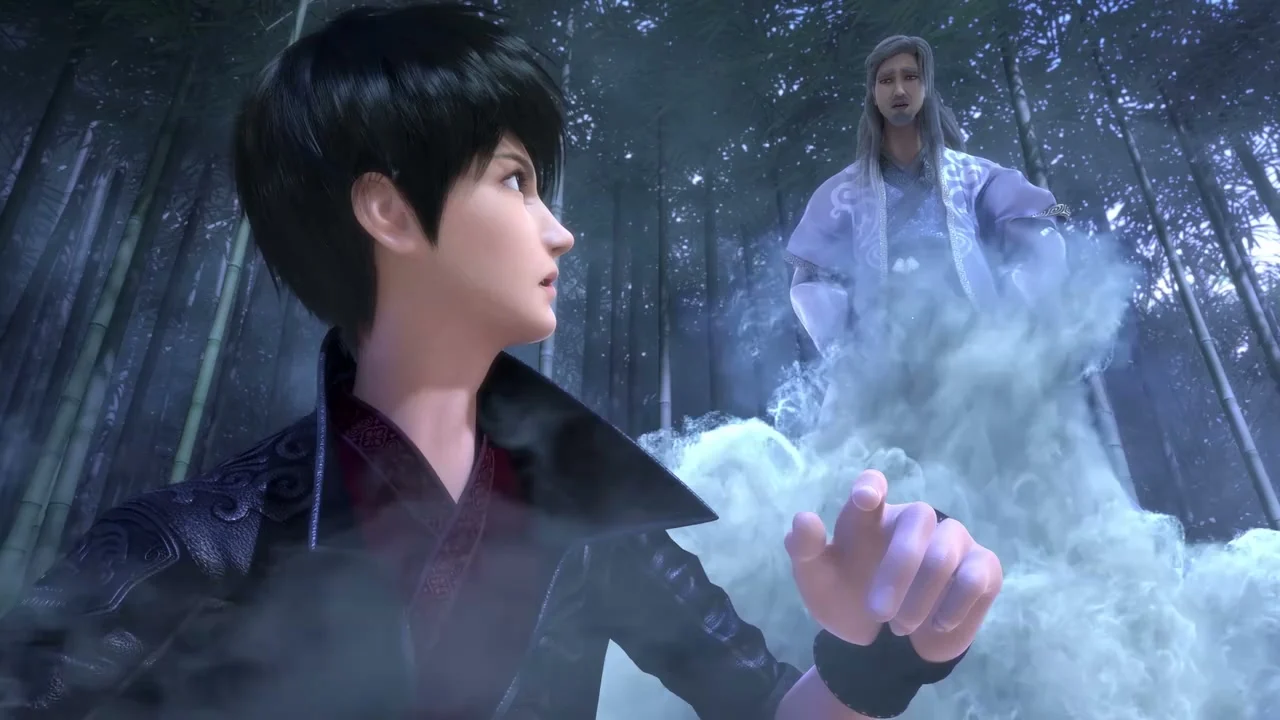
The mentor relationship is where the story becomes more interesting
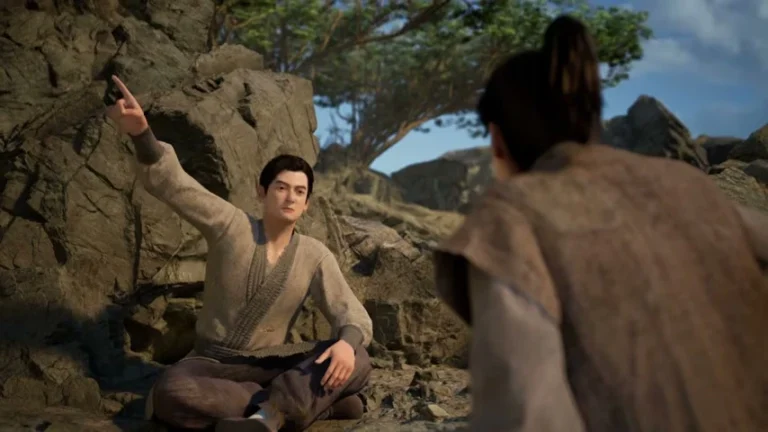
The Medicine Elder, commonly called Yao Lao, offers a way forward. Xiao Yan does not immediately accept every claim the old man makes. Their bargaining and teasing loosen the tone after the opening’s hostility, and the difference between an experienced teacher and an impatient student gives the dialogue some personality.
A powerful mentor does not remove the practical obstacles. When a prescription requires expensive ingredients, Xiao Yan still needs a way to obtain them. Episode three’s shopping and money problem is a useful example: progress depends on more than determination, and Xun’er’s help has real value even when Xiao Yan would rather appear self-sufficient.
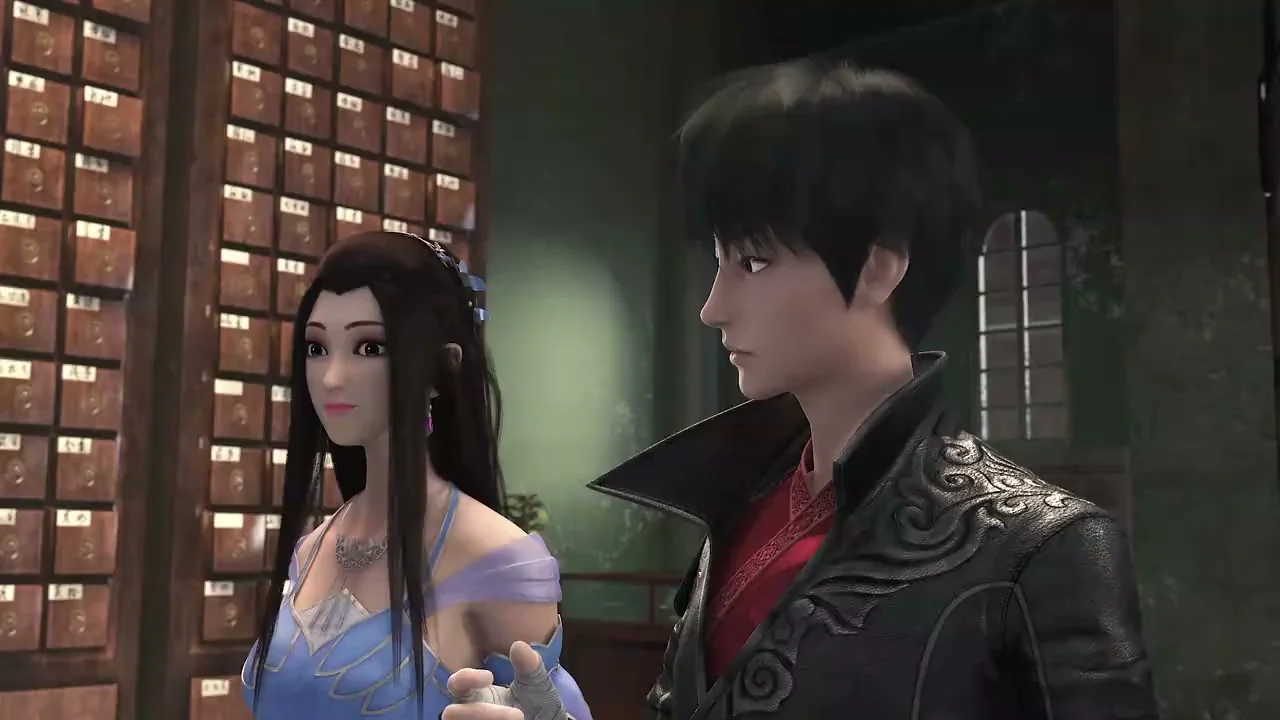
Alchemy connects power to the wider world
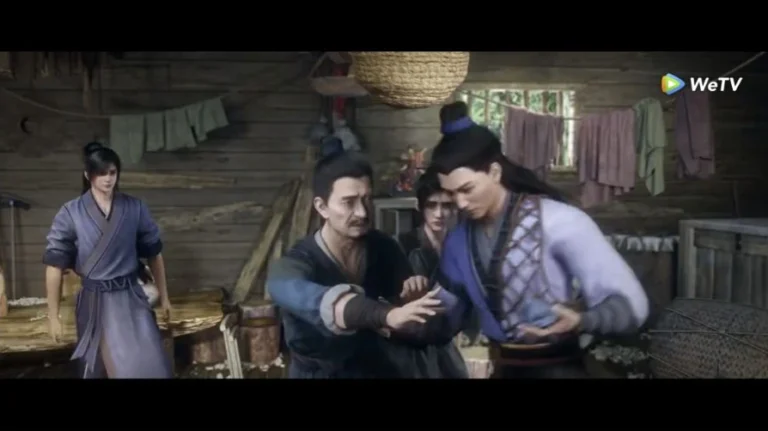
The early marketplace conflict gives alchemy a purpose outside combat. Healing products attract customers; access to ingredients affects which family can compete. A useful technique can therefore change a family’s prospects without anyone winning a duel.
The auction-house scenes add negotiation and discretion to Xiao Yan’s problems. Yao Lao’s knowledge gives him something other people need, but selling it safely is another skill. Follow who controls the ingredients and who needs the finished medicine; the commercial stakes are clearer than the names of individual herbs.
The drawback is explanation. Ranks, techniques and ingredients are discussed frequently, and some exchanges pause the action to explain a system. Viewers who enjoy practical worldbuilding may welcome that detail. Anyone looking for the momentum of a short action film should expect a slower experience.
Is romance the main attraction?
Not in this opening. Xun’er’s support exposes Xiao Yan’s discomfort with needing help, while Nalan Yanran’s decision creates the challenge driving his training. Both relationships affect his choices, but the early story spends more time on recovery, resources and his mentor than on courtship. Start for the cultivation journey rather than an expectation of frequent romantic progress.
How well has the original animation aged?
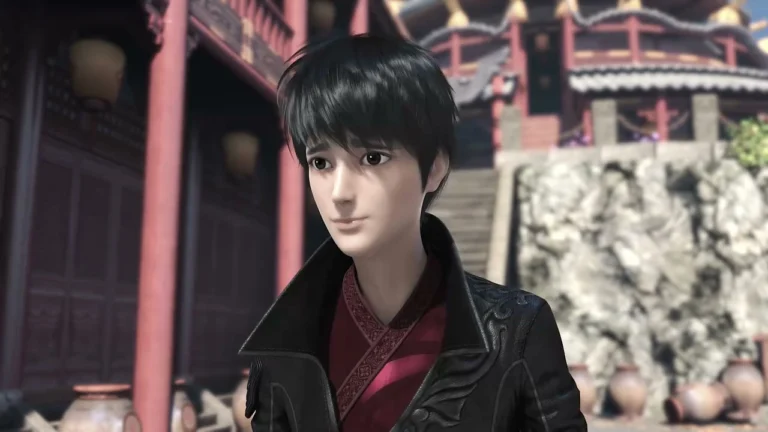
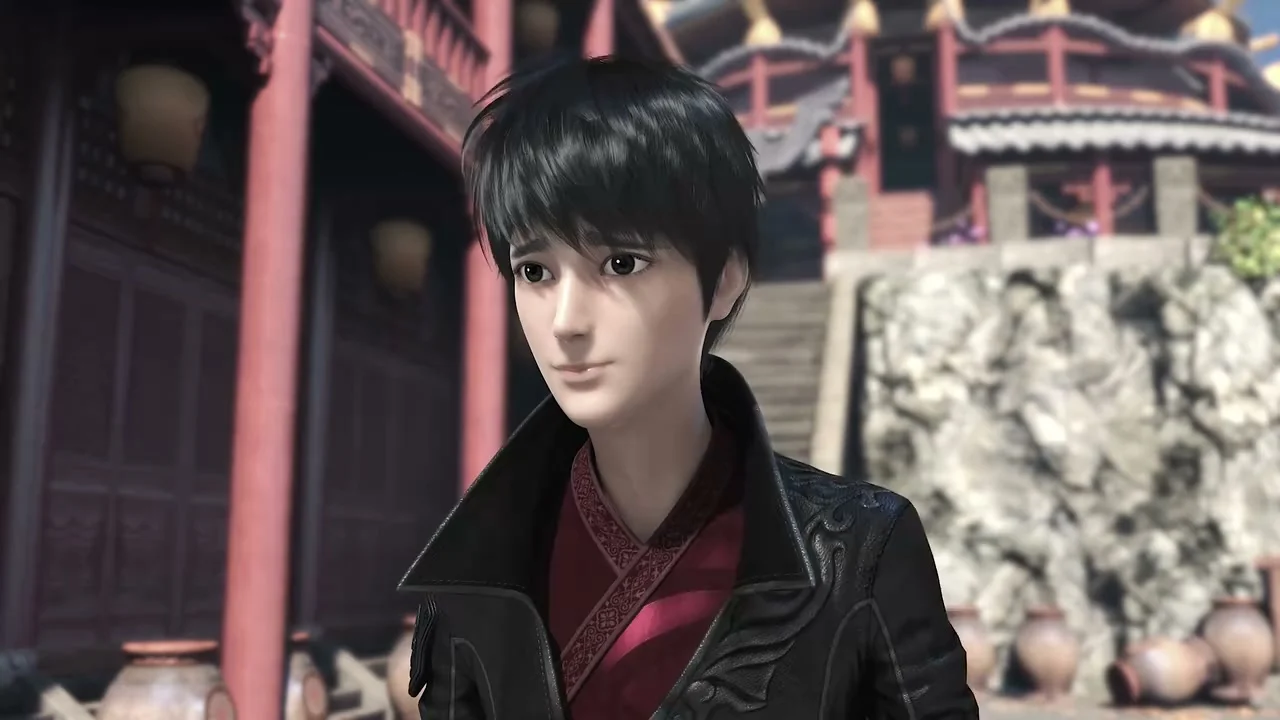
The 2017 character models are the most obvious barrier. Close facial expressions can look stiff, and skin, hair and clothing do not have the finish expected from newer 3D productions. The formal hall scenes expose those limitations because much of the drama depends on reactions and conversation.
Setting and lighting work better as orientation. The public hall makes the conflict feel watched and judged, while the bamboo setting around the mentor creates a more private, mysterious space. That contrast helps the storytelling, but it does not make the models disappear. Try the actual first episodes before deciding that a later promotional clip represents the entire viewing experience.
This is also not gentle family entertainment. The early story includes humiliation, violence and an antagonist’s sexual harassment and threats toward women. Those scenes are worth considering if you are choosing something for younger viewers.
Where should you start, and what about Origin?
The clearest starting point is the original twelve-episode animated season from 2017. It introduces the family conflict, engagement dispute, mentor and early training in sequence. You do not need to read the novel or comic first.
Origin is a separate three-episode special from 2022 that revisits Xiao Yan’s loss of status, broken engagement and meeting with Yao Lao. It is not the same twelve episodes under another title. For the scenes assessed here, choose the original 2017 season. Keep Origin separate from that numbered playlist instead of treating it as episodes one to three of the original cut.
Three Years of Pledge, also called the Three-Year Agreement, is a later special. Its official description refers back to the challenge and the training that precedes it. Save it for its place in the story instead of using the famous confrontation as your introduction.
Where to watch Battle Through the Heavens officially
Start with Fights Break Sphere S1 on WeTV. Confirm the 2017 date and twelve-episode playlist. Check the subtitle menu and the access label on the episode itself, since availability can differ by region and season.
The original season has a finish, but the adaptation continues beyond those twelve episodes. WeTV lists Fights Break Sphere S5 separately. Use the short first-season playlist to test your interest before committing to the longer series; do not read “All 12 EPs” as the ending of Xiao Yan’s entire story.
A sensible first test
Try episodes one to three first. They introduce the public setback, Yao Lao and the problem of paying for training ingredients. If you enjoy the bargaining and preparation, continue to the early marketplace conflict. If those scenes only feel like obstacles between fights, the appeal of later action highlights may not justify the viewing time for you.