Soul Land is a promising choice if you enjoy learning a fantasy power system alongside a young protagonist and watching small advantages become useful in combat. Tang San has knowledge from a previous life, but his new world does not simply follow the rules he already understands. The early appeal comes from discovering how those two systems fit together.
Expect explanatory conversations, training and a much longer commitment than a single-season fantasy. This spoiler-light review assesses the opening experience of the original animation. It explains what to try first and how the complete series fits together, without claiming to judge every later arc.
Scroll across to compare all columns →
| Version | The original 2018 Chinese animated series, also called Douluo Dalu. |
|---|---|
| Best fit | Fantasy progression, ability systems, mentorship and a long character journey. |
| Main hesitation | Explanatory dialogue and a lengthy commitment; the early 3D character style will not suit everyone. |
| Original-series status | Complete, with the main sequence numbered through episode 265. |
| Starting point | Original Soul Land episode one, before Soul Land 2: The Peerless Tang Clan. |
Watch our Soul Land review
What is Soul Land about?
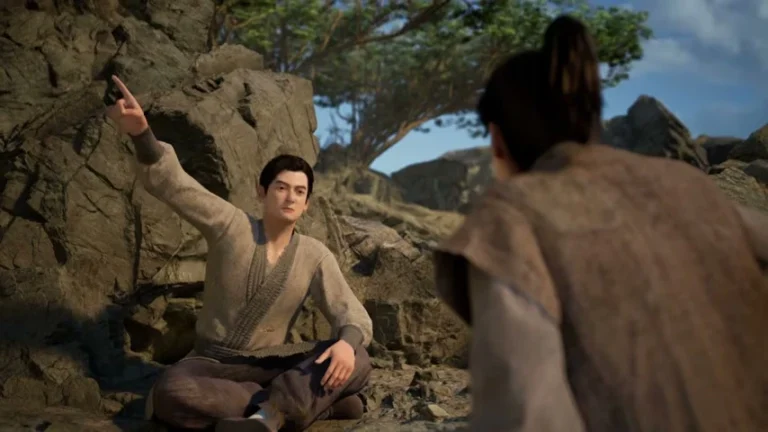
Tang San begins as an outer disciple of the Tang Sect, where he has secretly learned techniques reserved for the inner circle. After his first life ends, he is reborn in a world where people awaken a Martial Soul as children. He retains his previous knowledge, but the new world’s way of developing power introduces unfamiliar restrictions.
An early training obstacle makes the reincarnation premise matter: Tang San can still practise his old techniques, but he reaches a limit that his former training cannot explain. The new world’s rules have practical consequences. He needs to understand them before he can turn remembered knowledge into further progress.
Are Martial Souls and spirit rings hard to follow?
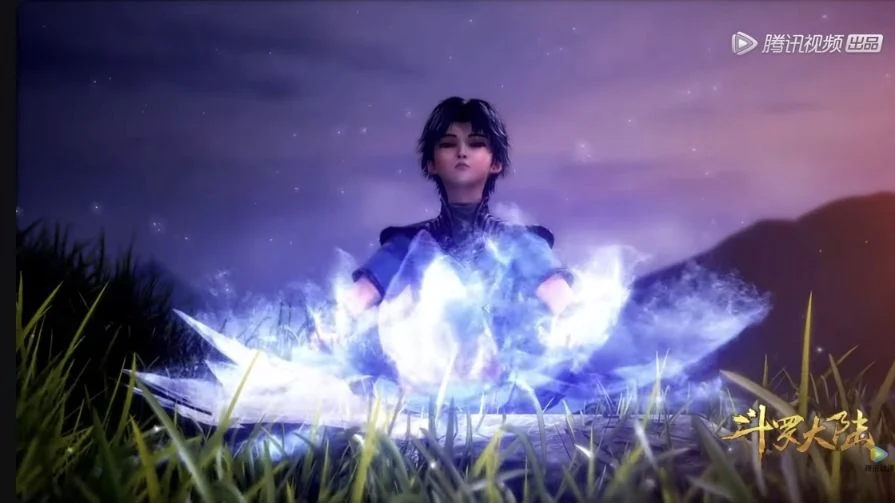
The basic idea is approachable: a Martial Soul establishes the type of ability someone can develop, soul power measures their cultivation, and spirit rings provide abilities at major stages of advancement. You can understand the early story without memorising the full hierarchy of ranks.
Tang San’s Blue Silver Grass is a useful starting example. It does not look as intimidating as a weapon or a powerful animal spirit. The interesting question is what it can do in practice: restrict movement, create an opening or control the space around an opponent. A modest-looking ability can matter if its user understands the situation.
The drawback is delivery. Explanations can arrive in long conversations with instructors. If you prefer to infer every rule from action, this style can feel slow. Follow the practical question being discussed, such as what limits Tang San’s progress or what his ability can contribute. Learning every title in advance makes the opening harder than it needs to be.
Tang San’s competence is both the hook and the limitation
Tang San is not starting from the same position as the other children. His memories give him discipline and techniques they do not possess. That creates the satisfaction of seeing familiar-looking situations approached with unexpected expertise.
It also reduces the appeal of a pure underdog story. If you want a protagonist whose only advantage is persistence, Tang San may feel too well equipped. The question is less whether he has hidden potential and more how he uses what he has, who helps him understand it, and what he decides to protect.
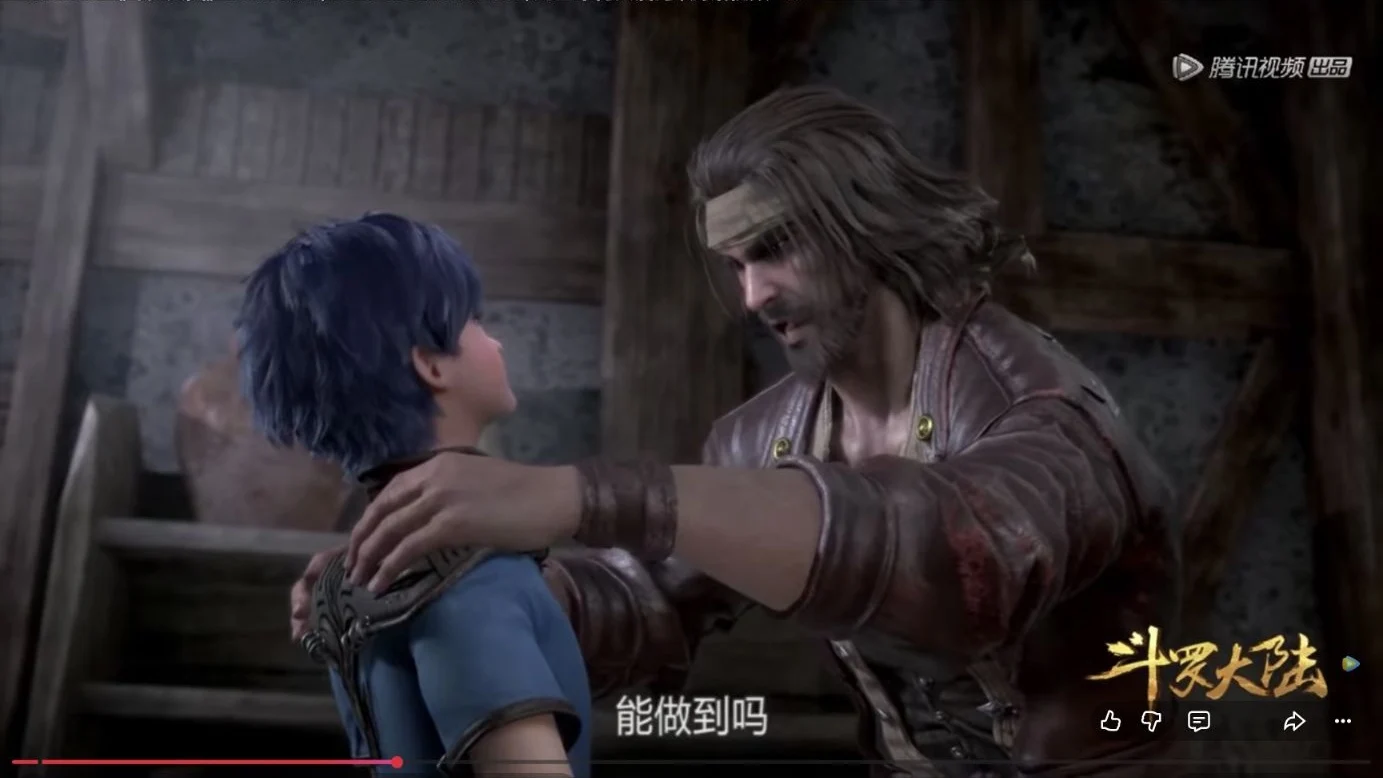
The scenes with his father bring the scale back down. At home and in the workshop, Tang San has duties and a relationship to navigate, not just abilities to develop. These quieter moments make his childhood feel like a life he is living. They are also a useful test of whether you enjoy spending time with him between action scenes.
How much do friendship and romance matter?
Tang San and Xiao Wu are a central relationship, so Soul Land is not solely a sequence of cultivation milestones. Their connection gives viewers a reason to care about companionship and protection alongside advancement. Expect that bond to develop across a long journey, not to operate like a short romance series with a quick resolution.
The different ability types also provide a reason to care about teammates. Restricting an opponent’s movement, supporting another fighter and landing an attack serve different purposes. That is a stronger reason to try the academy setting than simply wanting Tang San to collect more powerful moves.
The opening establishes Tang San’s family and abilities before the full Shrek team forms. That sequence gives his competence context, but it delays the ensemble a viewer drawn by team-battle clips may expect. Judge the group dynamics after reaching the academy rather than from the reincarnation scene alone.
The early pace and 3D style are worth testing first
The first episode opens with pursuit, movement and elaborate martial techniques, then slows down after Tang San’s rebirth. That change is deliberate: the new world needs to establish childhood, family and the awakening process before the longer cultivation journey can begin. A viewer attracted only by the first action sequence may find the quieter stretch less immediate.
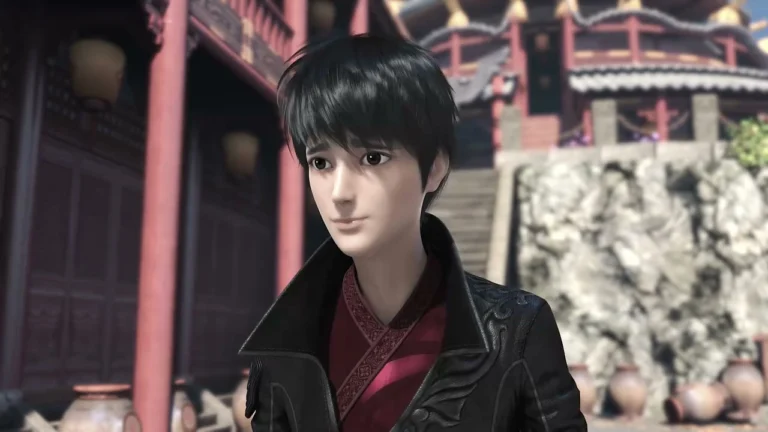
The 3D environments give cliffs, forests and buildings a strong sense of depth. Wide shots can show the distance an attack or a leap needs to cover. Close-ups are a different test. The early character models have smooth faces and polished surfaces that can feel more like game cinematics than drawn animation. If that look distracts you, watch an ordinary conversation as well as an action clip before committing.
Is Soul Land finished, and why do listings say 265 or 266?
The original animated story is complete. WeTV describes it as 265 episodes, while the same listing’s playlist header shows 266 items. Its numbered sequence includes episode 240 split into 240A and 240B, then continues through 265. The extra playlist item does not mean you have found another season or a missing sequel episode.
Use the episode labels inside the official playlist, especially near that split. A long compilation video is not a reliable guide to numbering because it may combine episodes, remove repeated openings or include promotional material.
Soul Land watch order for a first-time viewer
- Start with Soul Land (2018), episode one. Follow the original numbered story through its conclusion.
- Continue with Soul Land 2: The Peerless Tang Clan if you want the later story set in the same world. It introduces a new generation; it is not simply episode 266 of Tang San’s original run.
- Treat live-action adaptations, comics and novels separately. They are alternative versions or formats, not extra animated episodes to insert into this sequence.
Season labels can vary between platforms and uploads. Identify the work by its subtitle and protagonist, not just a large “2” in a thumbnail. A season division within the original adaptation and the separate sequel are not interchangeable.
What should you know about the tone?
The young protagonist and colourful fantasy setting do not make the opening entirely light. Tang San’s previous life ends with a fatal leap during a confrontation, before the story moves into childhood and training. Expect fantasy violence alongside the family scenes; if you are choosing something for a child, preview the opening yourself.
Where to watch, and how much to try first
Use the original Soul Land page on WeTV or Tencent Video Animation’s official episode one on YouTube. Check the English subtitle option and the access labels in your country. Some official uploads are region restricted, and an available first episode does not guarantee free access to the entire series.
Start with the first two episodes to test the visual style, Tang San’s character and the awakening setup. If those work for you, continue through his first school experiences and reassess before buying access to a long run. You do not need to promise yourself hundreds of episodes to make a sensible first choice.
For another cultivation series with a very different lead, compare our Renegade Immortal opening review. Wang Lin’s limited aptitude changes the appeal from Tang San’s combination of prior expertise and teamwork. The cultivation donghua shortlist also compares cautious progression, comedy and larger-scale spectacle.