Bleach is worth starting if you enjoy sword fights, supernatural mysteries and rivalries that develop over long story arcs. Ichigo and Rukia make the opening easy to get into, and Soul Society gives their relationship higher stakes. Expect slow stretches, optional side stories and uneven attention to the supporting cast.
This review covers the original 2004 to 2012 anime, with practical guidance on its continuation, Thousand-Year Blood War. It discusses the opening premise and broad story structure without revealing major betrayals, fight outcomes or the ending.
Bleach at a glance
Scroll across to compare all columns →
| Question | Answer |
|---|---|
| What is it? | A supernatural action anime based on Tite Kubo’s manga, following Ichigo Kurosaki after he gains Soul Reaper powers. |
| Original anime length | 366 episodes. Thousand-Year Blood War is a separate continuation. |
| Time for the original run | About 140 hours at an estimated 23 minutes per episode, including opening and ending sequences. |
| Best for | Character rivalries, sword-based abilities, supernatural settings and long action arcs. |
| Main reservations | Interruptions, stretched confrontations and a sprawling supporting cast. |
| Where to start | Original Bleach, episode 1. Do not use TYBW as a first season. |
The official anime website distinguishes the original series from the later continuation. For the detailed viewing route, use our Bleach watch order and filler guide. Filler means anime-original episodes that do not adapt the manga’s main story.
When does Bleach get good?
Early Bleach mixes school life, ghost stories and comedy around Karakura Town. It spends time getting you used to Ichigo and Rukia before committing to a longer conflict. Soul Society then gives them a more urgent problem and brings a much larger cast into the story.
Try the first three episodes to see whether you enjoy Ichigo and Rukia’s clashes. If those work but you want a larger story, the conflict begins to sharpen around episodes 16 to 20, and the move into Soul Society starts with episode 21. That is a change in scale, not a guarantee that you will suddenly like the series.
Twenty episodes take close to eight hours at roughly 23 minutes each. Continue toward Soul Society if you enjoy Ichigo and Rukia but want a larger conflict. If their humor and arguments already put you off, stop after the shorter trial.
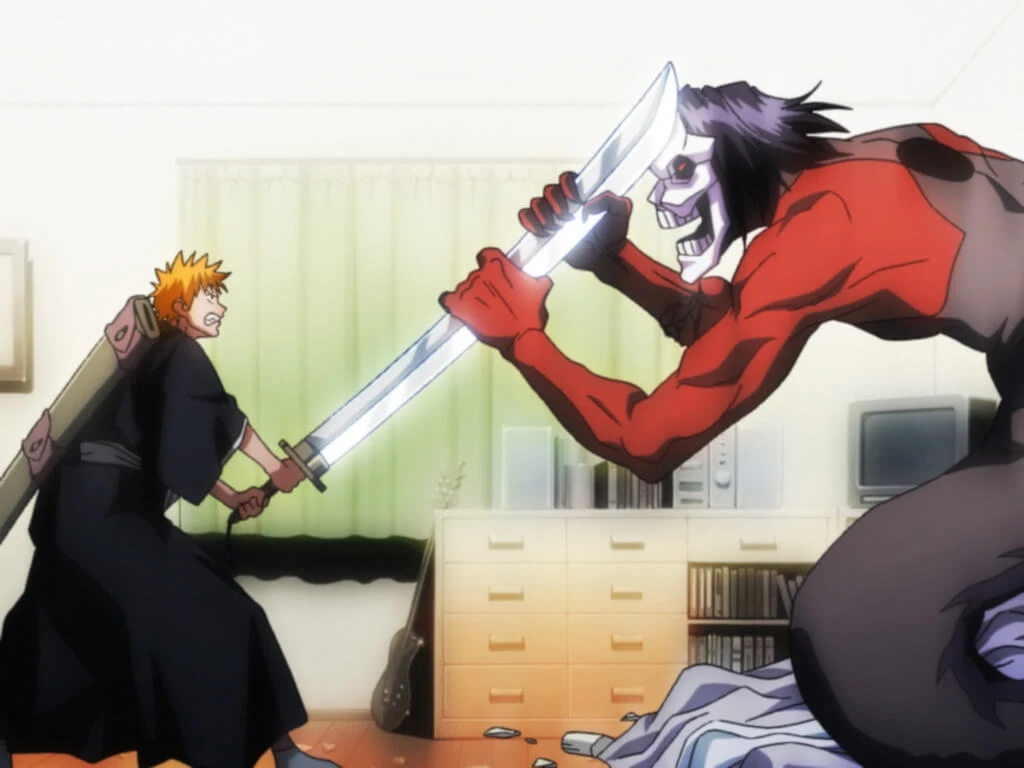
Ichigo and Rukia give the spectacle a reason
Ichigo initially wants to keep the people around him safe. He gets pulled into a world he barely understands because a threat reaches his family. That simple motive makes the opening easy to follow, even before you know what a Soul Reaper does.
Rukia knows the job and expects Ichigo to listen. He questions her instructions and pushes back. Their arguments make the early episodes fun, but they also establish why the two come to rely on each other. Rukia remains involved in the story long after she has explained its basic rules.
The supporting cast broadens the idea of protection. Uryu’s pride and inherited convictions complicate cooperation. Chad’s restraint contrasts with Ichigo’s more direct reactions. When Bleach works, differences like these make an alliance or confrontation interesting before anyone reveals another ability.
What the fights do well
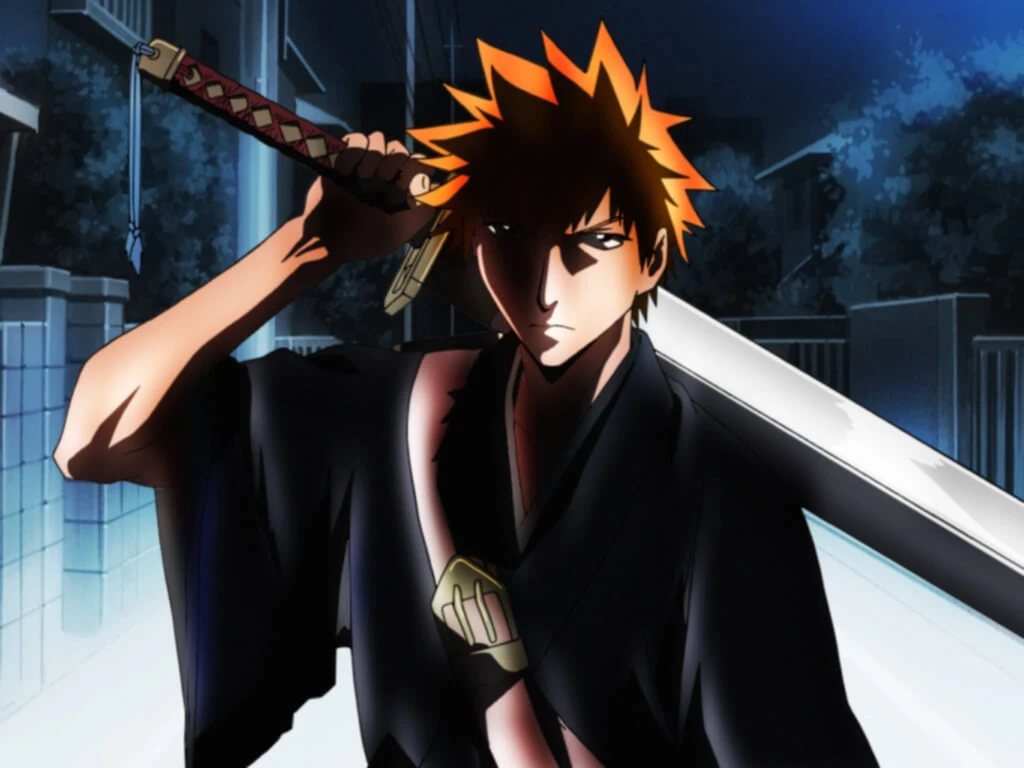
Bleach makes its fighters easy to remember. Ichigo’s oversized sword and direct approach look and feel different from Uryu’s more measured ranged attacks. As the cast grows, learning what an opponent’s weapon can do becomes part of the suspense.
The fights work best when you already care about the disagreement behind them. Soul Society repeatedly puts loyalty to a person up against loyalty to an order. That gives a standoff something to resolve beyond whose attack is stronger.
The soundtrack helps a character’s entrance feel triumphant or a standoff feel threatening before a sword is drawn. It also carries scenes built from limited movement. The strongest fights have memorable staging, but animation quality varies across the long weekly run.
How the longer arcs change the experience
Soul Society is the clearest demonstration of the series’ strengths: an urgent objective, unfamiliar rules and opponents who belong to the same larger institution but do not all want the same thing. Exploring that hierarchy gives the action a sense of discovery.
The Arrancar and Hueco Mundo stretches expand the roster and place more emphasis on successive matchups. That is appealing if you enjoy seeing different abilities meet. It is less satisfying when you want the central rescue or confrontation to move forward quickly; switching between fights can make progress feel fragmented.
The later Fullbring storyline brings the scale closer to Ichigo’s everyday life and questions his relationship with power and trust. That smaller focus offers something different after prolonged large-scale conflict. Viewers looking only for another escalation may find the change of gear frustrating.
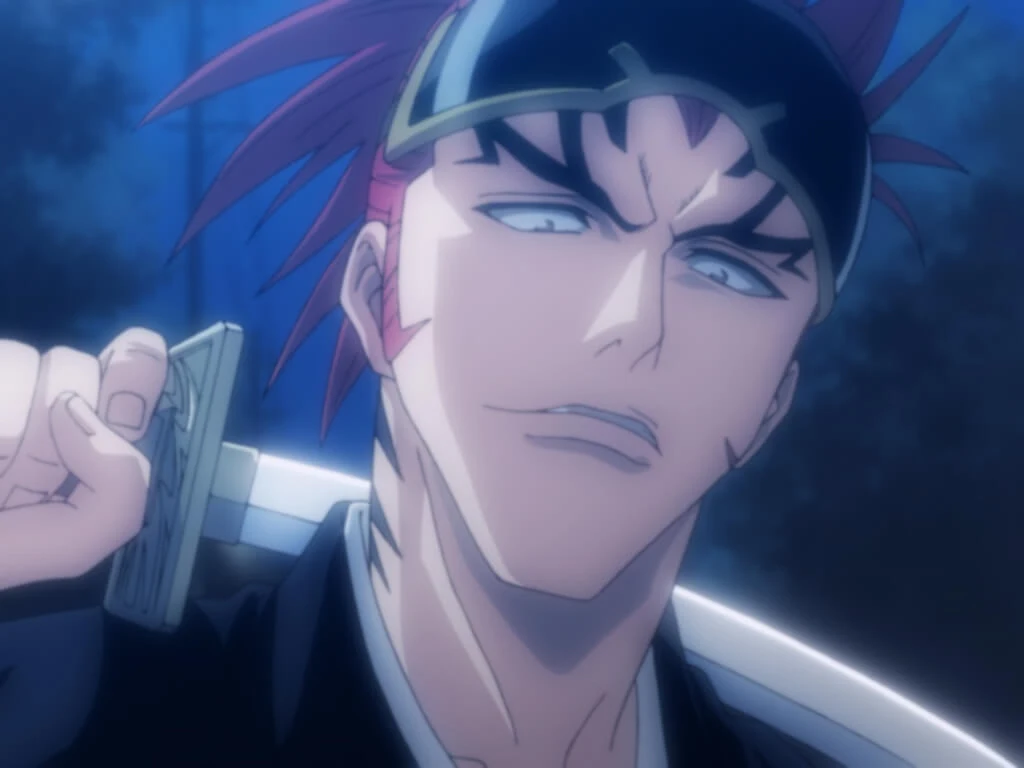
Pacing and filler: the main drawbacks
Entire anime-original storylines interrupt the adaptation, sometimes just when the main conflict has built momentum. You can skip these arcs on a first watch without losing the manga-based plot.
But skipping filler does not make every remaining episode fast. Recaps, reaction shots, explanations and repeated shifts between combatants can stretch the adapted material too. A guide removes detours; it cannot change the way the core television series uses time.
The size of the cast is a similar trade-off. New faces and unusual abilities keep the world lively, but supporting characters can disappear from focus or have less to do than their introductions suggest. If you need every promising character to receive a balanced arc, Bleach may disappoint you.
For a first watch, use the optional-episode list to skip anime-original detours. Keep mixed episodes because they include manga material. Return to the optional arcs later if you want more time with the cast.
How long does Bleach take without filler?
The main-story route in our guide keeps 203 of the original 366 episodes, including mixed episodes. At the same rough estimate of 23 minutes each, that is about 78 hours before TYBW, compared with around 140 hours for the whole original run.
Watching two episodes a day would take about 102 days for that route, or 183 days for all 366 episodes. Actual times vary with episode length and whether you skip openings or recaps. TYBW and any optional movies add more time; they are not included in those estimates.
Is Bleach finished, and can you start with TYBW?
The original 366-episode anime has finished, but that stopping point is not the end of the entire adapted story. Thousand-Year Blood War continues after the original series. Start it at its own episode 1 after original episode 366, using the filler guide along the way if you wish.
As of September 30, 2026, TYBW has not finished airing. The official Japanese schedule lists episodes 49 and 50 for October. Check your local distributor for regional dates; the Japanese broadcast schedule does not establish when an episode will be available worldwide.
TYBW expects familiarity with relationships, organizations and earlier conflicts. Its more recent visual presentation is not a good reason to skip the setup. The movies are not required preparation for it; the watch-order guide explains where optional films fit.
Where to watch Bleach legally
US readers can start with Hulu’s original Bleach listing. Check that the listing begins with Ichigo’s original story, since TYBW is a separate series entry. Available episodes, language tracks and subscription arrangements can change.
Outside the US, use your local distributor’s title page or the official VIZ Bleach hub for release information. Bleach includes bloody combat, injuries, death and occasional sexual humor; it is not an uncomplicated all-ages adventure.
The verdict
Bleach rewards viewers who enjoy following a large cast across long conflicts. Its weaker stretches are harder to justify if you mainly want a tightly paced plot. The early episodes let you test the characters and humor before committing to the longer arcs.