Jade Dynasty is a promising choice if you want cultivation fantasy built around grief, belonging and divided loyalties. Its opening makes Zhang Xiaofan’s kindness and stubbornness more important than an impressive power level. The trade-off is patience: unfamiliar sect names and a shift from danger to daily training can slow the story just when you want answers.
This spoiler-light review covers Xiaofan’s introduction, the village disaster and his arrival at Qingyun. It is a review of the starting experience, not the later seasons or ending. You can begin with the animation without reading the novel, playing the game or watching the live-action film.
Is Jade Dynasty the kind of fantasy you want?
Scroll across to compare all columns →
| What you want | What to expect |
|---|---|
| A vulnerable protagonist | Xiaofan is stubborn and caring before he is impressive |
| Relationships that complicate training | Promises, teachers and the need for a home shape his choices |
| Immediate revenge and rapid dominance | The opening spends more time on uncertainty and adjustment |
| A light romance | Grief, violence and secrecy make this a heavier choice |
| A self-contained film | Choose carefully: this is the continuing animated series, not the 2019 movie |
What is the Jade Dynasty donghua about?
After a disaster destroys their village, Zhang Xiaofan and Lin Jingyu enter Qingyun Sect. The two boys are treated differently: Jingyu’s apparent talent attracts attention, while Xiaofan struggles to find his place. Xiaofan also carries a promise and a secret teaching from an earlier encounter, so joining a new school does not give him a completely clean start.
The Chinese title is Zhu Xian. The 3D animated adaptation began in 2022 and is based on Xiao Ding’s story. The film starring Xiao Zhan and the game are separate versions. Searching only for “Jade Dynasty review” can lead to any of them.
Why Zhang Xiaofan is worth following
The opening gives Xiaofan two traits that do not always work comfortably together. He refuses to concede a childhood contest even when he is outmatched, yet he also brings food to a stranger because he is concerned about him. Pride and compassion are both present before the story offers him unusual power.
His refusal to give in can keep him going or make a bad situation worse. Bringing food to Puzhi, meanwhile, leads to a relationship whose obligations follow him beyond the village. These scenes give his later silence a personal cause: he is trying to honour someone who treated him with care.
He is not a swaggering lead who controls every room. If your favourite cultivation stories deliver an immediate reversal against everyone who underestimates the hero, Xiaofan’s uncertainty may frustrate you. Here, being overlooked creates a need for acceptance as much as a desire to prove someone wrong.
The strongest conflict is between promises
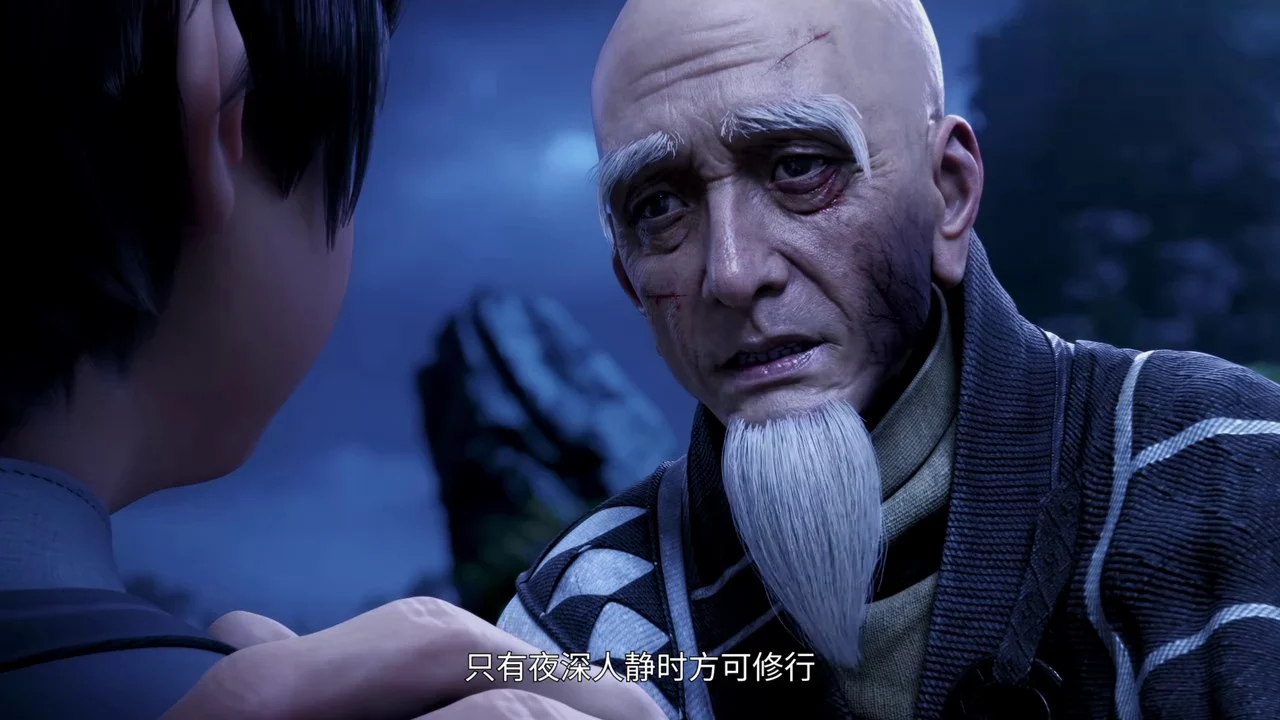
The early encounter with Monk Puzhi gives Xiaofan instructions to keep a teaching secret. Soon afterward, he is expected to answer questions and accept a place within another tradition. That creates tension before he understands the wider disputes around him. Keeping a promise and being open with the people now responsible for him are not automatically the same thing.
The story introduces a world that talks confidently about righteous and evil factions. Xiaofan’s situation makes those labels less comfortable: a child’s experience of care, fear and obligation does not fit neatly into an institutional division. You can follow that problem without memorising every sect’s history.
Track the promises before the sect names: Xiaofan’s hesitation makes more sense when you remember who helped him and what he owes them. His problem is not simply identifying the strongest faction, but deciding which obligation he can honor without betraying another.
Why the quieter school scenes matter
Qingyun’s response to the surviving boys is revealing. Adults debate talent and placement while the children are still processing the loss of their home. At Dazhu Peak, introductions, teasing and an ordinary meal give Xiaofan a different problem: how to live among people who have an established routine and do not yet know him.
Tian Ling’er’s intervention when others tease him gives the household some warmth without pretending that Xiaofan immediately feels secure. These small interactions are doing character work. They help explain why acceptance could become important to him later.
They also change the pace sharply after the opening danger. If you wanted the village mystery pursued without interruption, a meal or training explanation can feel like a detour. The series is asking you to invest in the new home before resolving everything about the old one. That is a preference question, not a reason to insist that every viewer must push through.
Atmosphere is a stronger draw than constant spectacle
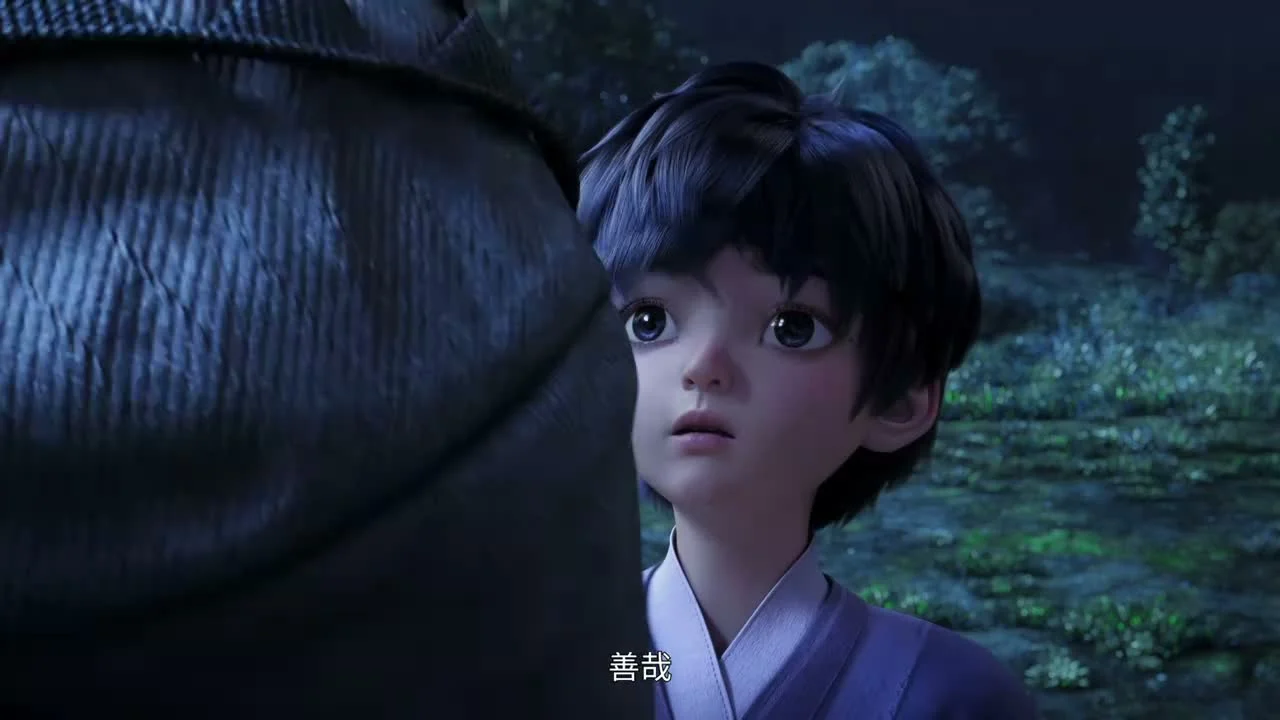
The opening’s night scenes use cool light, rain and enclosed spaces to make the supernatural encounter feel threatening. Glowing techniques and hand gestures separate different kinds of power visually, while Xiaofan’s smaller figure keeps the danger at a child’s scale.
The action works best when Xiaofan remains a small, vulnerable figure beside powers he does not understand. The quieter village scenes give that danger something to interrupt. A string of impressive attacks without those ordinary moments would make his loss less tangible.
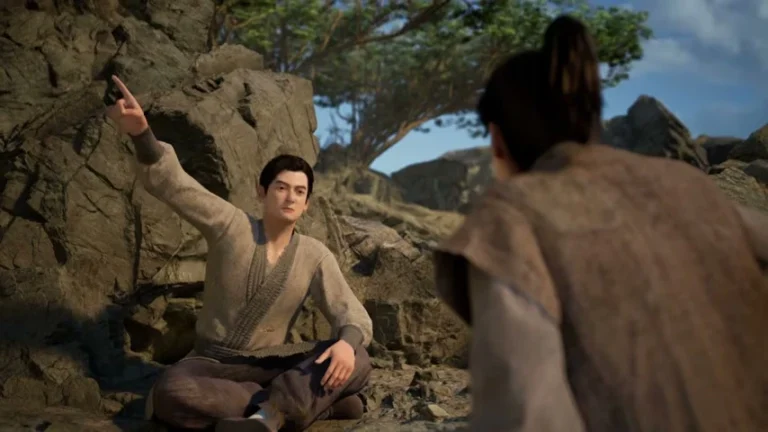
Expect a recognisably 3D production. Faces can look polished and somewhat rigid, particularly beside the more dramatic effects. Whether that bothers you is easier to judge from the official first episode than from a poster or a heavily edited highlight reel.
Is Jade Dynasty a romance?
The opening develops attachment before courtship: Xiaofan needs people he can trust after losing his home. Tian Ling’er brings warmth to Dazhu Peak, but her presence does not turn the series into a light romantic comedy. Expect fantasy drama with emotional stakes, not a romance-first story or a guaranteed happy pairing.
Avoid character biographies and current-season synopses if you want to stay spoiler-free. Even the official series page now describes events far beyond Xiaofan’s arrival at Qingyun. Go straight to the episode selector when you are ready to watch.
Where to start and watch officially
Use the Jade Dynasty animated series on WeTV and begin with episode one of the 2022 adaptation. Follow the episode sequence rather than jumping to a later season because its artwork looks more recent.
As of October 25, 2026, the WeTV listing shows episodes through 90, while its series details say 104 episodes. Those two labels do not mean the same thing: the larger total is not confirmation that every episode can already be played. This is a substantial series commitment, not a short standalone season.
English subtitles and access conditions should be checked on the individual episode in your region. Some episodes carry VIP labels. Tencent also provides an official first episode on YouTube, which is a useful way to sample the tone where it is available.
How to decide whether to continue
Use Xiaofan’s arrival at Dazhu Peak as a first decision point. If his new relationships make you curious about what he will disclose, the slower household scenes are doing useful work. If you mainly want revenge to move quickly into resistance, our Apotheosis opening review considers a more confrontational lead. Both openings include abuse or danger involving vulnerable people; neither is a gentle escape into a fantasy school.
If Xiaofan’s need to belong interests you more than rapid victories, compare the cautious progression and team-focused options in our cultivation donghua guide before choosing another long series. It separates those preferences from comedy and spectacle.