Donghua means animation in Chinese. In English-speaking fan communities, it usually means animation from China. It is a broad label: a funny ten-minute episode, a hand-drawn mystery and a computer-animated fantasy can all be donghua.
If you arrived here after seeing a dramatic sword fight in a clip, there is one useful thing to know before choosing a show: that clip tells you about one series, not the whole medium. You do not need to enjoy cultivation fantasy to find Chinese animation you like.
What does donghua mean?
The Chinese word is 动画, written 動畫 in traditional characters and romanized as dònghuà. Its ordinary meaning is animation; the Chinese word itself is not restricted to productions from China. The narrower meaning comes from how international viewers use it to distinguish Chinese animation from Japanese anime.
That difference in usage explains why two definitions can appear to disagree. In a Chinese-language conversation, the word can describe animation generally. On an English recommendation page, “donghua” usually points you toward Chinese productions.
You may also encounter dongman. It combines language associated with animation and comics and is used as an umbrella term. It is not a reliable way to tell whether a particular listing is a show or a comic. Look at the format on the publisher or streaming page.
Donghua, anime and manhua: the practical difference
Scroll across to compare all columns →
| Label | What you are looking at | What it does not tell you |
|---|---|---|
| Donghua | Chinese animation: series, films or shorts | The genre, age rating or animation technique |
| Anime | Usually animation from Japan | Whether the story began as a manga, novel or original script |
| Manhua | Chinese comics, on a page or screen | Whether an animated adaptation exists |
| Manhwa | Korean comics | The country producing a later screen adaptation |
A story can cross several formats. A novel can become a comic and then an animated series, each with its own pacing and creative team. The original book’s country alone does not settle how to describe every adaptation. If you wanted something to read rather than watch, our guide to manhua explains the comic side.
Is donghua always 3D or about cultivation?
No. “3D” describes a production technique. “Cultivation” describes a kind of fantasy story in which characters develop extraordinary abilities through training or spiritual practice. Neither defines donghua.
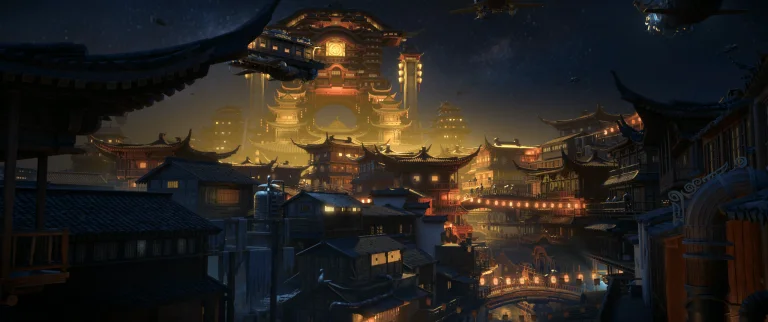
Chinese animation includes 2D work, 3D computer animation and combinations of techniques. Stories can be contemporary or historical, lighthearted or disturbing. An elaborate fantasy setting and a realistic city mystery belong under the same broad animation label.
When a synopsis mentions immortal cultivation, heavenly realms or martial sects, the more useful next step is learning the genre vocabulary. Our xianxia vs. wuxia guide explains those differences. You do not need to memorize a power-level chart before pressing play.
Donghua examples and where to watch them
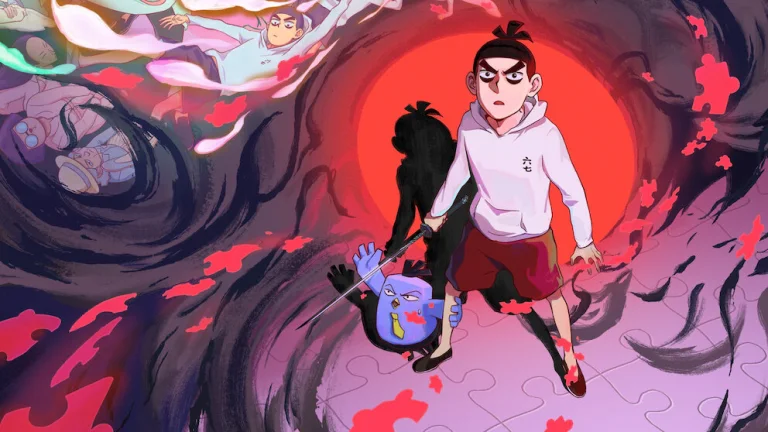
Scissor Seven is a useful starting point if you like comedy with action. Its hairdresser and would-be assassin makes the premise easy to grasp, while the conflict around his missing memories gives the story somewhere to go. Netflix’s Scissor Seven page lists it as Chinese-language adult animation. The playful look is not a promise that it is a children’s show.

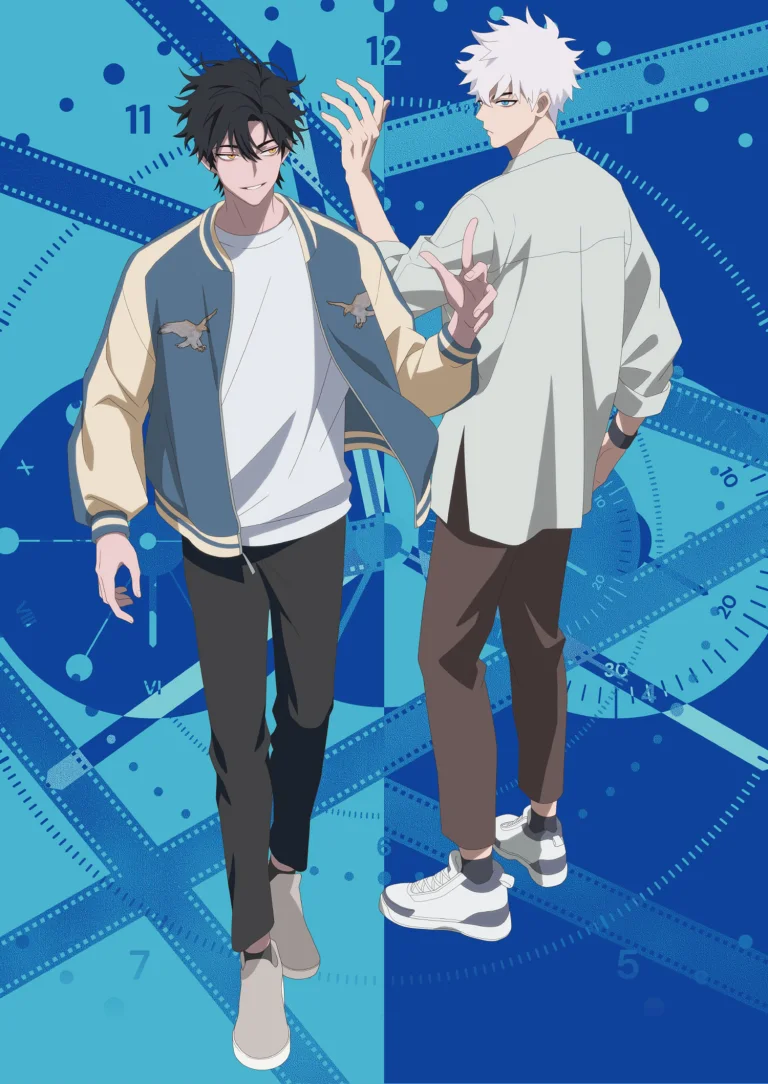
Link Click is worth looking up if the idea of entering photographs to deal with people’s unresolved lives appeals to you. Its contemporary mystery setup offers a different route into donghua from martial fantasy. Crunchyroll’s Link Click page has the series listing; check the season, language and availability shown in your region.
These are examples of range, not a demand to start with the most famous title. Pick the premise you would enjoy in any medium. If you normally dislike drawn-out power progression, starting with a cultivation epic simply because it is popular is unlikely to change that.
For more choices, our beginner donghua recommendations sort series by mood and animation style. If you want a single film instead, start with our Chinese animated movie picks.
See how the animation comes together
The Scissor Seven team’s production video offers a look at the work behind the movement. It is a useful companion to still images: timing and motion are part of what you choose when you pick an animated show. The video includes material from seasons 1 and 2, so skip it if you prefer to discover every scene in order.
How to choose your first show without getting lost
- Find the full title. Short clips often omit the series name or use a translated title that differs from the licensed release.
- Check the format. A film, a season of short episodes and a long-running weekly series are different commitments.
- Read the synopsis and rating. Character designs alone do not tell you how violent or mature a show is.
- Check the original audio and subtitle options. A Japanese or English dub does not change a production’s origin.
- Start at the beginning. A spectacular fight from a later season can be a poor introduction to the characters who make it matter.
Common questions
How do you pronounce donghua?
The Mandarin pronunciation is dòng huà: two syllables, roughly “dong-hwah,” both with a falling tone. The English approximation is only a starting point; the tone marks in the pinyin show how each syllable falls.
Is “Chinese anime” wrong?
People will usually understand it as an informal description. “Donghua” or “Chinese animation” is more precise when you want to distinguish production origins. Neither label is a judgement about quality.
Do I need to know Chinese culture first?
No. Start with the story and learn unfamiliar terms as they become relevant. A genre glossary can help with historical fantasy, but contemporary comedies and thrillers do not require the same background. Give yourself permission not to understand every title or honorific immediately.
Is donghua better than anime?
That comparison is too broad to help you choose tonight’s episode. Compare individual shows: their pacing, character writing, visual choices and the kind of emotional experience you want. A label can get you to the right shelf; it cannot choose the story for you.