Wuxia usually follows martial heroes within the human world; xianxia brings immortality, spiritual cultivation and supernatural realms much closer to the center. Both can feature extraordinary fighters. The useful difference is what kind of world they inhabit and what their power is for.
A character leaping across rooftops is not enough to settle the label. Ask a bigger question: is the story about a person’s obligations among other people, or does it ask what happens when someone reaches beyond human existence? That will get you much closer.
Xianxia vs. wuxia at a glance
Scroll across to compare all columns →
| Question | Wuxia | Xianxia |
|---|---|---|
| What does the word suggest? | Martial heroes | Immortal heroes |
| Where does conflict often sit? | Rival schools, loyalties, revenge and justice | Cultivation, spirits, immortals and supernatural orders |
| What can training lead to? | Exceptional martial ability | Transformations that may exceed ordinary human life |
| Is romance required? | No | No |
| Is it a format? | No: novels, comics and screen adaptations can use it | No: the same is true here |
What wuxia means in practice
Wuxia, 武侠, is associated with martial prowess and the conduct of a hero. Think about the pressure between a personal promise and a school’s rules, or between official authority and a person’s sense of justice. A fight becomes more interesting when winning it means betraying someone.
That does not make wuxia realistic historical fiction. Its fighters can perform feats beyond everyday human ability. “There is impossible movement, so it cannot be wuxia” is a shortcut that will regularly lead you astray.
Jianghu is a useful term to recognize: the social world of wandering fighters, schools, alliances and rivalries that often exists alongside official society. It is more than a location on a map. When a character enters it, reputation and old obligations can matter as much as a weapon.
What xianxia changes
Xianxia, 仙侠, draws on ideas of immortals, cultivation and Chinese religious or mythological traditions, particularly Daoist influences. A story may include ascension, spirits or transformations of body and soul. Becoming stronger can change what a character is, not merely whom they can defeat.
In these stories, cultivation means training the body, mind or spiritual energy to gain power and sometimes a longer life. Meditation, martial practice and learning techniques can all be part of it. Each fictional world sets its own rules, so a rank mentioned in one series need not mean the same thing in another.
That wider scale does not require an endless sequence of tournaments. Some stories emphasize a mystery, a relationship or the cost of an old decision. A tale about gods can be emotionally intimate; a story about human martial artists can have enormous political stakes.
Also, cultivation is not an automatic genre stamp. Training and internal energy can appear in wuxia, too. Look at how the whole setting works rather than counting how often a translation uses one word.
Two examples that make the difference easier to see
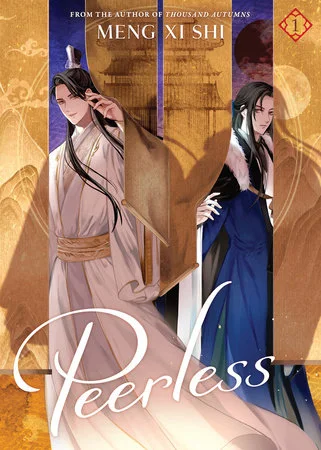
Peerless by Meng Xi Shi is described by its English publisher, Seven Seas, as a historical wuxia mystery. Its rival investigators and martial-arts world offer a concrete example of human institutions, competing agendas and relationships driving the story. Choose it for the investigative rivalry, rather than expecting a ladder of immortal realms.
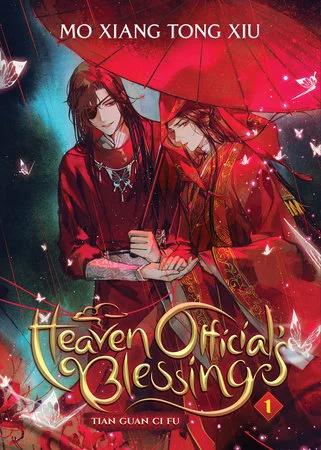
Heaven Official’s Blessing by Mo Xiang Tong Xiu gives a useful contrast. Its publisher’s premise begins with Xie Lian’s repeated ascension to godhood and work assigned by the heavens. Divine status is part of the story’s machinery, not just a colorful metaphor for fighting skill. That makes it a helpful example when understanding the xianxia end of the spectrum.

You can check the English novel editions of Peerless, Volume 1 and Heaven Official’s Blessing on their official distributor pages. Both also involve romance between men. That romantic category does not replace their fantasy setting. One title can carry several useful descriptions at once.
Where does xuanhuan fit?
Xuanhuan, 玄幻, is a broad Chinese fantasy label. It can accommodate invented settings and mixed influences that do not fit neatly into a traditional immortal-cultivation framework. The boundary with xianxia is debated, and publishers, translators and readers do not always label the same work identically.
Coiling Dragon by I Eat Tomatoes is a concrete xuanhuan example. Its licensed English listing on Wuxiaworld uses that label for Linley Baruch’s story, set on the Yulan continent among magical beasts, warriors and powerful magic. The invented world and mixed fantasy vocabulary make it an easier example to remember than a definition alone. This is a prose novel, not a manhua recommendation.
Use the label as a hint, then read the premise. If your real preference is “a clever protagonist who progresses steadily,” a rigid genre argument will not tell you whether the book delivers that. If you want celestial politics or Daoist-inflected cultivation, check for those specifics.
How to choose a story you will actually enjoy
Try wuxia first if rival schools, loyalty, strategic fights and moral dilemmas sound more appealing than learning a large supernatural hierarchy. Try xianxia if you want spiritual transformation, unfamiliar realms or a world in which death and divinity can have unusual rules.
Then check three details in the sample: how much terminology arrives at once, whether the central character interests you, and whether the story spends its time on what the synopsis promised. A low-terminology opening may suit you better than a famous series that immediately explains ten ranks.
Keep a small character list if names and courtesy titles are unfamiliar. You do not need a complete glossary open beside you; note recurring terms and let context do some of the work.
Are xianxia and wuxia types of manhua or donghua?
They are genres that can appear in either. Manhua means Chinese comics, while donghua refers to animation. A wuxia comic and a xianxia animated series differ in both genre and format. Keeping those two questions separate makes recommendations much easier to navigate.