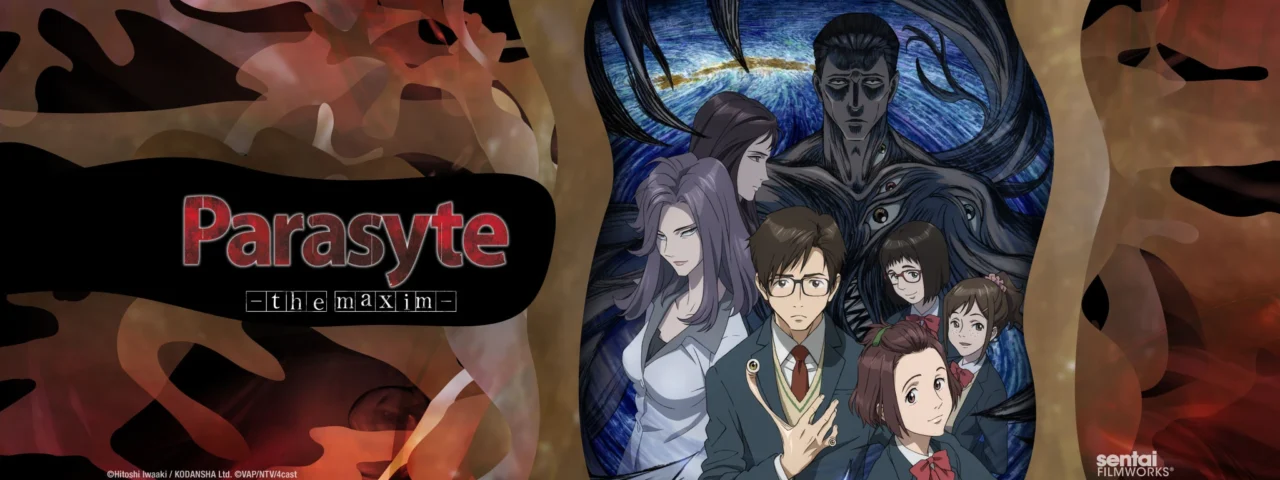
Start with Another for a supernatural mystery, Parasyte for body horror with a complete story, or The Promised Neverland Season 1 for survival suspense with less on-screen gore. If you want something more unsettling than action-heavy, try The Summer Hikaru Died, Mononoke or the film Perfect Blue.
These are different kinds of frightening. A show full of monsters may feel exciting rather than scary, while a quiet conversation with someone who seems slightly wrong can be harder to shake. The comparisons below explain the fear each title creates, the commitment it asks for and the material that might make it a poor fit for your evening. No endings or major twist solutions are revealed.
Psychological horror, body horror or supernatural mystery?
Psychological horror makes perception, trust or identity feel unstable; Perfect Blue is the clearest example here. Body horror makes physical transformation itself frightening, as in Parasyte. For a supernatural mystery, Another and Mononoke ask you to work out the rules or history behind a threat. These styles overlap, so use the content notes as well as the genre label.
Scroll across to compare all columns →
| Anime | Best for | Commitment | Content to consider |
|---|---|---|---|
| Another | A curse mystery with sudden shocks | 12 TV episodes | Graphic deaths, injury and danger involving teenagers |
| Parasyte: The Maxim | Body horror and uneasy coexistence | 24 episodes; a complete TV story | Dismemberment, grotesque transformations and loss |
| The Promised Neverland, Season 1 | Escape planning under surveillance | 12 episodes; an opening arc, not the whole story | Children in danger, death and sustained anxiety |
| The Summer Hikaru Died, Season 1 | Intimacy, grief and rural unease | 12 episodes; the wider story continues | Body horror, death and disturbing imagery |
| Mononoke, 2007 TV series | Stylized supernatural investigations | 12 episodes across separate cases | Abuse, disturbing histories and surreal imagery |
| Perfect Blue | Adult psychological horror in one sitting | One film, about 81 minutes | Sexual violence, nudity, stalking and graphic violence |
A 12-episode season takes roughly five hours; Parasyte takes about nine to ten. Those estimates include credits and exclude ads. The content notes are a guide to tone, not a promise that every potentially distressing scene is listed.
Another: a classroom where the rules are wrong
Koichi transfers into a class whose behavior makes little sense to an outsider. The students avoid subjects he needs explained, and his attempts to understand an isolated classmate only deepen the unease. It is a useful starting point if you enjoy a curse story with questions you can keep track of.
The classroom setting makes ordinary behavior suspicious. Who acknowledges another person, who changes the subject and who seems frightened by a harmless question all become things to notice. The danger eventually becomes much more physical, so do not mistake the restrained opening for a low-gore series.
The trade-off is its growing reliance on spectacular accidents. Choose it for ominous school corridors, hidden rules and sudden shocks. Choose Mononoke instead if you want the horror to depend more on the history behind a haunting. Watch the TV series before the optional prequel OVA, which is better saved until you know the mystery.
Parasyte: The Maxim and the horror of sharing a body
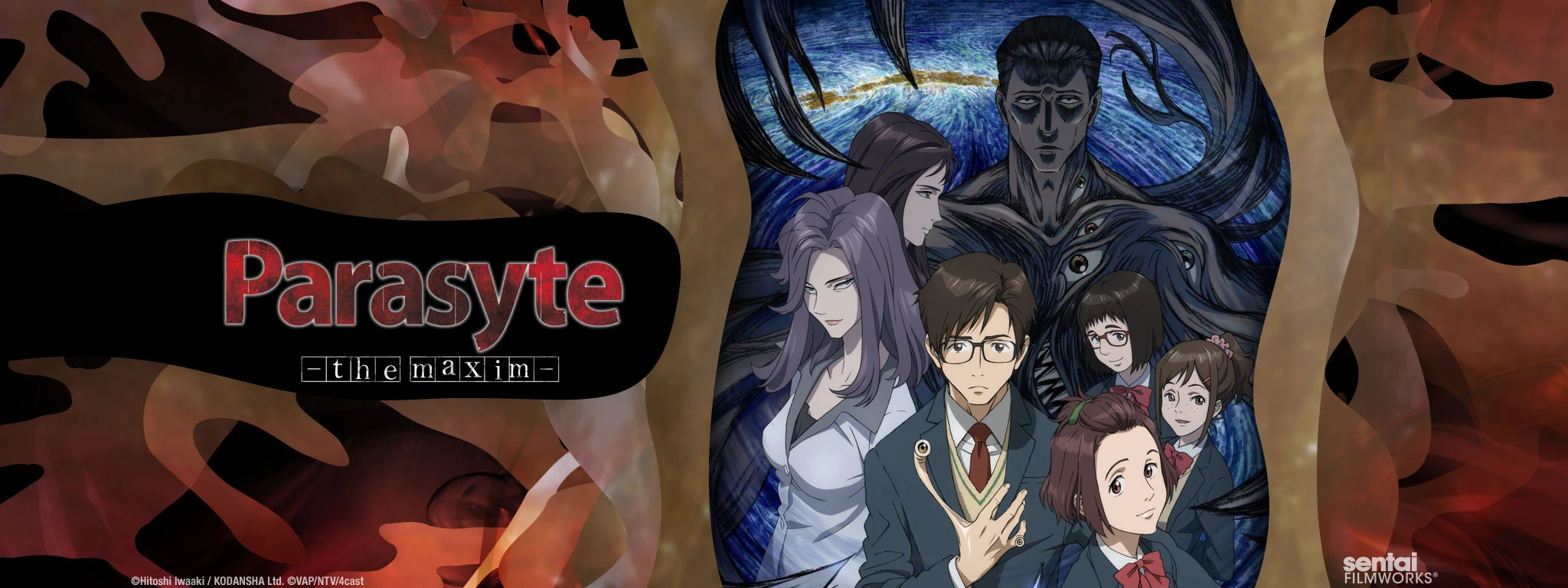
A parasite fails to take over Shinichi’s brain and instead occupies his right hand. The resulting partnership gives the series a more interesting problem than simply escaping a monster: the thing keeping him alive does not share his assumptions about other people.
The body horror is immediate and often graphic, but the relationship between Shinichi and Migi supplies the lasting tension. Decisions that feel obvious to a frightened teenager can look wasteful to a creature focused on survival. Their arguments make physical danger and moral discomfort work together.
This is the strongest choice here if you want combat, character development and a finished 24-episode story. It becomes more of an action drama than Another or Perfect Blue, and the explanatory conversations can slow the urgency. Avoid it if cutting, distorted bodies or sudden injury are your main limits; those images are central to its appeal.
Check Parasyte: The Maxim on Crunchyroll. Select the anime, not a live-action adaptation.
The Promised Neverland Season 1: planning while someone is watching
Go into the first episode knowing as little as possible. The children’s comfortable daily routine becomes the setting for a survival problem, and the series builds tension from what they can learn without revealing that they are investigating.
Doors, schedules, distances and seemingly affectionate conversations acquire practical importance. That makes the first season a good fit for viewers who enjoy thinking through an escape plan. The fear comes from being outmatched and observed, rather than from frequent graphic attacks.
The recommendation is specifically Season 1. Its confined setting and carefully paced escape planning make it the stronger fit for this horror list; Season 2 shifts toward a broader, faster-moving survival story. The first 12 episodes form a satisfying initial arc, but they do not finish the entire story. It is a gentler choice than Parasyte in terms of displayed gore, not emotionally gentle viewing: the danger to children is the point. If that is a subject you avoid, choose something else regardless of its short length.
Check The Promised Neverland on Crunchyroll.
The Summer Hikaru Died: the person you miss is still beside you
Yoshiki knows something is wrong with the friend who came back from the mountains. The premise turns a familiar horror question, “What is this thing?”, into a more painful one: what would you accept to avoid losing someone?
The rural setting and long stretches of ordinary conversation let that contradiction linger. Familiar gestures can be comforting and alarming at once. This suits viewers who want atmosphere and attachment to matter as much as discovering the rules of a supernatural threat.
Do not choose it expecting a constant sequence of scares or a tidy solution after one short season. The 12-episode first season belongs to an ongoing adaptation, with Season 2 announced. It also contains overtly grotesque imagery, so “slow burn” should not be read as “little body horror.”
Check The Summer Hikaru Died on Netflix.
Mononoke: discovering why a spirit exists
The Medicine Seller cannot treat every haunting as a creature to be defeated on sight. Uncovering its form, truth and reason matters. That structure turns each case into an investigation of what people conceal, excuse or refuse to acknowledge.
The flattened spaces, decorative patterns and abrupt visual changes create unease without relying on realistic gore. The style takes adjustment, but it gives the supernatural events a distinctive logic: a room need not feel physically reliable for the people trapped inside it to feel afraid.
Start with the 2007, 12-episode TV series for this recommendation. It is not Studio Ghibli’s Princess Mononoke, and the later Mononoke films are separate entries. The cases provide smaller stopping points than a continuous long mystery. However, the subjects behind the spirits can be deeply disturbing, including abuse; stylized images do not make this a family recommendation.
Check the Mononoke TV series on Crunchyroll.
Perfect Blue: when a public identity starts to close in
Mima’s move from pop idol to actress exposes her to scrutiny she cannot control. Satoshi Kon’s film makes that pressure disorienting by cutting between performance, recollection and daily life without always giving the viewer a stable boundary.
Choose it if you want an adult psychological horror film that rewards close attention. The short runtime is not an invitation to casual background viewing. Notice repetitions and changes in context, but avoid reading a plot explanation before your first watch; uncertainty is part of the experience.
This is the most important content check on the list. Sexual violence, nudity, stalking and graphic violence make it unsuitable for viewers seeking a mild introduction. Its threat comes from people, observation and fractured perception rather than a supernatural monster. The GKIDS Perfect Blue page links to official digital and physical editions.
Would a thriller suit you better?
If you want clues, strategy and a battle of intelligence without making fear the main attraction, start with our thriller anime recommendations. Death Note belongs more naturally in that conversation than in a list promising sustained horror.
Tokyo Ghoul combines body horror with action and identity conflict, but choosing the anime or manga changes the experience considerably. Our Tokyo Ghoul comparison explains that decision. A frightening premise alone does not make every adaptation the best route into a story.
Before you press play
The links above lead to official title or distributor pages. Availability and audio options vary by territory. Check the actual episode or rental listing in your country before subscribing, especially for older series.