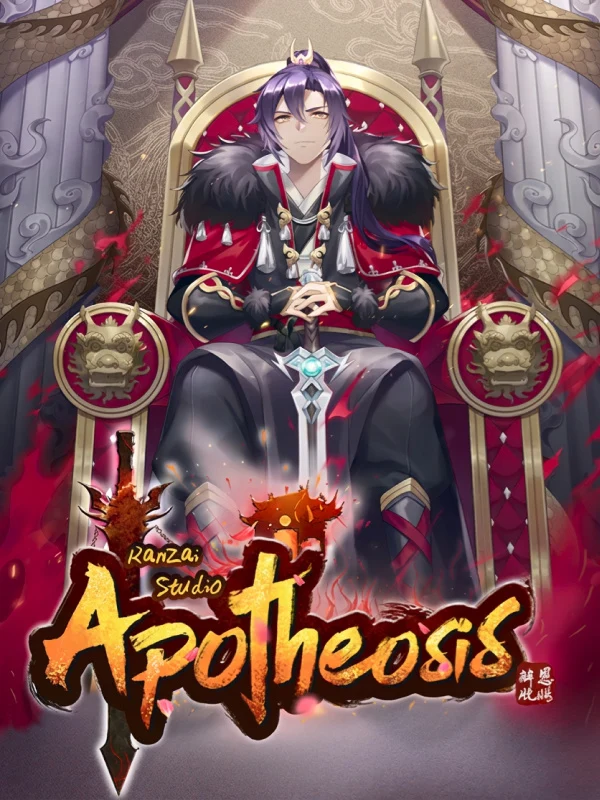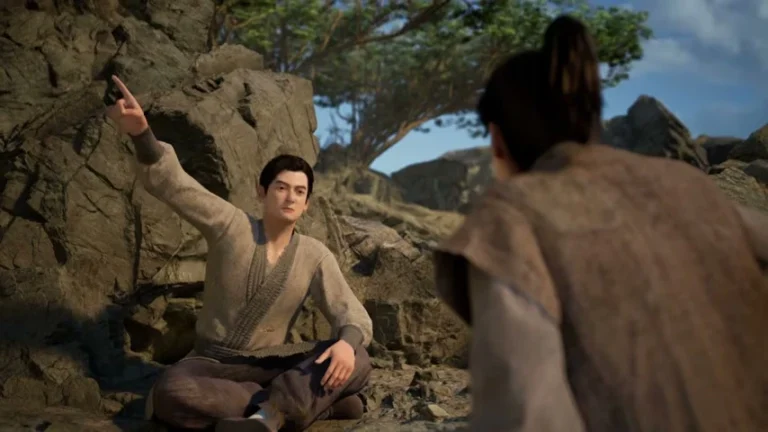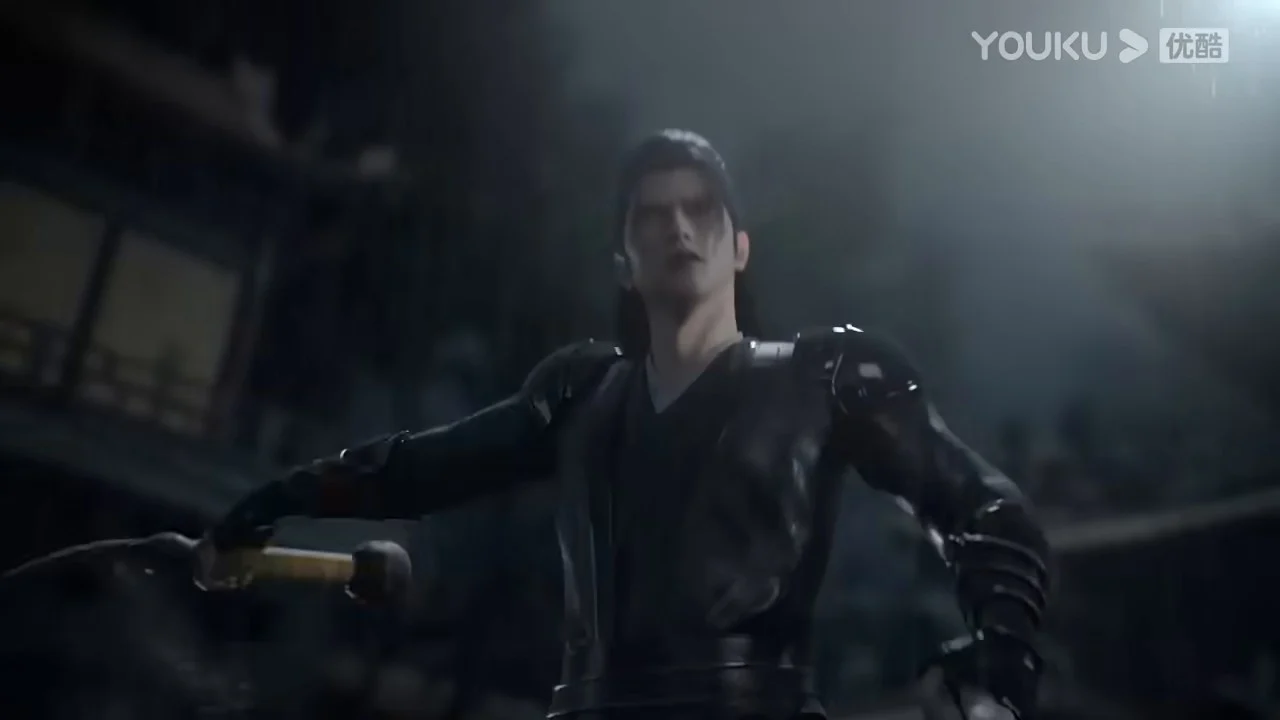
Apotheosis is worth trying if you enjoy an angry, determined protagonist fighting to recover control of his life. Luo Zheng’s opening gives the power fantasy an immediate purpose: protect people who cannot protect themselves and reach his endangered sister. The downside is how forcefully it establishes its villains. Abuse, taunts and explanations of hierarchy leave little room for subtlety.
This spoiler-light review covers the opening four episodes of the 2022 donghua. It assesses Luo Zheng’s introduction, the body-refining hook and the early pacing, rather than the quality of every later season.
Who is Apotheosis for?
Scroll across to compare all columns →
| Your preference | How the opening fits |
|---|---|
| A forceful underdog lead | Luo Zheng resists immediately, even when he cannot win |
| Clear personal stakes | Family loyalty and the safety of vulnerable people give his anger a purpose |
| 3D fantasy action | Large-scale magical conflict and close physical confrontations establish two different scales |
| Morally complex early villains | A weaker fit: cruelty and stolen privilege make the sides very clear |
| A gentle or lighthearted start | Imprisonment, abuse and family violence are central to the premise |
What is Apotheosis about?
Luo Zheng was born into a powerful family, but a violent takeover leaves him and members of his household reduced to slaves. His father’s death is presented as a punishment for betrayal, while Luo Zheng knows the accusation hides the family’s internal struggle for power. His sister Luo Yan is also in danger, beyond his immediate reach.
The cultivation hook is a body-refining method that makes Luo Zheng’s own body a weapon. His captors use physical punishment to keep him powerless; the same blows can become part of his training. That reversal gives the familiar escape-and-revenge setup its most distinctive feature.
The Chinese title is Bai Lian Cheng Shen, written 百炼成神. This review covers the 3D donghua that began in 2022. Our separate Apotheosis manhua review is for readers choosing the comic; its chapter count is not a guide to animated episodes.
Luo Zheng’s protective instinct makes the anger easier to understand
The most useful character moment in the first episode is not a display of overwhelming power. Luo Zheng has an opportunity to hurt a steward, but the threat to other prisoners changes what he can afford to do. Soon afterward, he steps forward in another slave’s place at the sparring ground.
He cannot retaliate freely while other prisoners can be punished for his actions. That gives the confrontations a tension beyond whether he can win a fight: striking back may put the people he wants to protect in greater danger.
The sister-rescue motivation adds direction, although the opening introduces Luo Yan more as someone endangered than as a fully developed partner in the story. If you want an ensemble in which several characters have equal room to grow from the start, this is a more protagonist-centred setup.
A more interesting question than revenge
Episode two gives Luo Zheng a conflict with his father’s teachings. He questions whether kindness has any value in a world where it can be exploited. Then he recognises the difference between rejecting cruelty and being too weak to resist it. That hesitation adds something the villains’ taunts cannot: a reason to wonder what sort of person he wants to become.
The body-refining method sharpens the idea. Blows can contribute to his progress, turning the punishment used to control him into something his captors no longer fully understand. But a breakthrough is not permanent safety. The next confrontations still expose a gap between Luo Zheng and stronger opponents. This prevents the opening transformation from solving the whole story at once.
The early power gap is about access as well as talent
Luo Peiran has access to valuable pills and family protection, while Luo Zheng is imprisoned and denied those resources. Luo Zheng also disputes his rival’s right to use them. The grievance is about stolen opportunity as well as personal mistreatment, which makes the wish to overturn the hierarchy understandable.
The weakness is repetition in how that point is delivered. The early captors and rivals keep reminding Luo Zheng that his status has collapsed. You understand the cruelty before every taunt has finished. Viewers already tired of humiliation-driven cultivation openings may find the setup familiar, even if the body-refining idea interests them.
Why the first episode can feel crowded
Apotheosis opens with a large conflict involving regions, sects and powerful figures, then moves back to the Luo family’s earlier disaster. The dates on screen help explain the shift. You have not necessarily missed an episode if the scale suddenly changes from an enormous battle to a prisoner inside his own family’s compound.
The contrast promises that Luo Zheng’s personal struggle belongs to a much larger world. It also asks a lot of a newcomer: names and organisations arrive before you have a reason to remember them. The family conflict is the clearer emotional starting point.
On a first watch, follow Luo Zheng, Luo Yan and the people controlling the household. You do not need to memorise the whole map or every cultivation stage. The immediate questions are simpler: whom can he protect, what is preventing him from acting, and what would give him a way out?
How does the 3D presentation support the story?
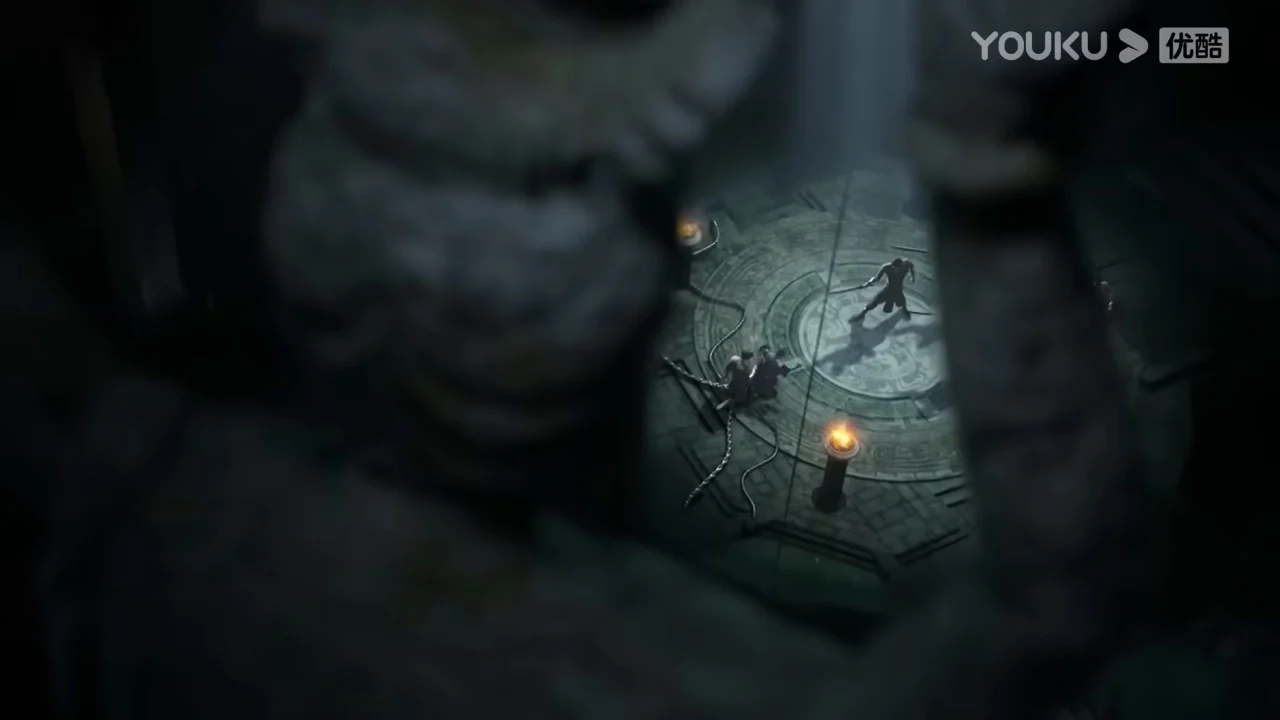
The opening uses a strong contrast between its large fantasy battlefield and the enclosed spaces of the household. Luo Zheng’s prison scenes use restricted light and close framing to make his loss of freedom visible. The sparring ground turns that private suffering into something other people can watch and exploit.
Elaborate costumes and magical techniques give the confrontations scale, but the staging often stops for a boast, an explanation or a reaction. A stronger opponent can feel intimidating before a blow lands. When the threat has already been established, another declaration of superiority slows the scene without adding much.
Should you read the manhua first?
No. The donghua establishes the family conflict and its central goal on its own. Reading first is an option if you prefer that format, not a requirement for understanding episode one.
If you know the manhua, approach this as a separate adaptation. The opening establishes its own sequence of scenes; a matching character name does not establish an episode-to-chapter equivalent. A reader looking for a full account of adaptation changes will need a comparison beyond these opening episodes.
Where to watch Apotheosis officially
Begin with Apotheosis episode one on YOUKU. The international site groups the earlier run under Apotheosis Season 1and2 and lists season three separately. Start at the beginning of the earlier playlist, not with the newest season page.
YOUKU ANIMATION also provides an official first episode on YouTube. Check the English caption option and the access labels where you live. A public first episode does not establish that every later episode or every language track is free.
How many episodes should you try?
Try the first two episodes together: confinement gives Luo Zheng’s anger a cause, then his father’s teachings complicate how he responds. Continue through episode four if the body-refining reversal interests you. For a quieter response to loss and belonging, compare our Jade Dynasty opening review. Xiaofan’s reluctance and obligations offer a different starting point from Luo Zheng’s immediate resistance.