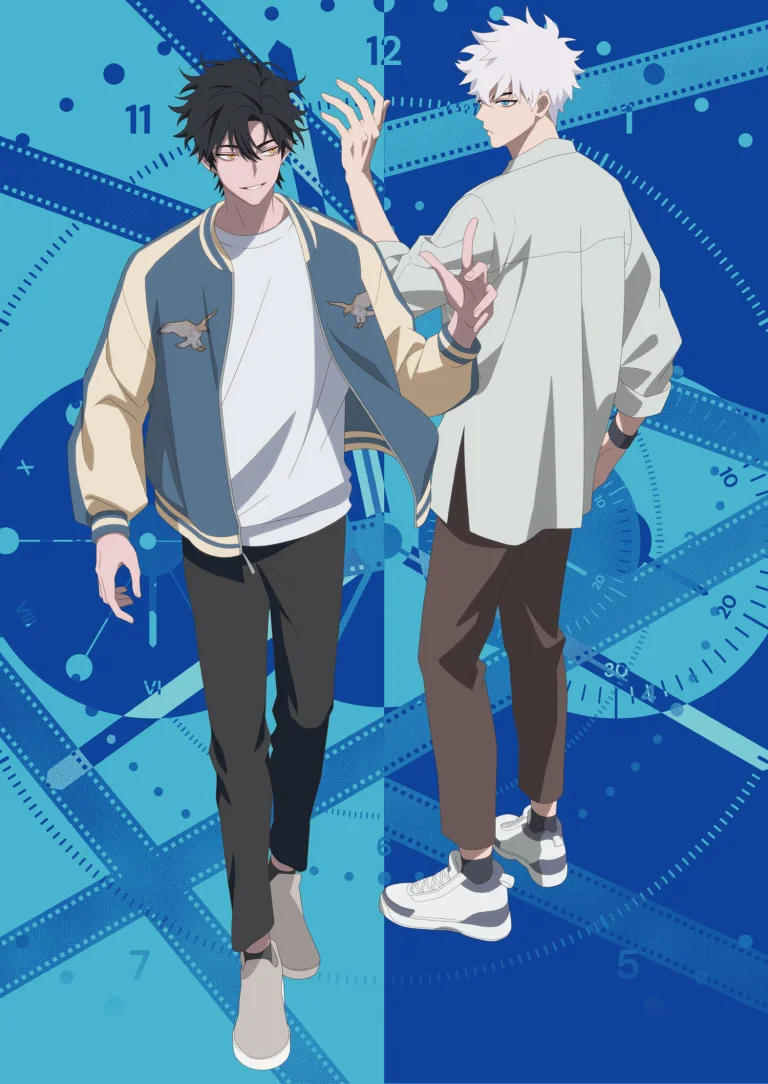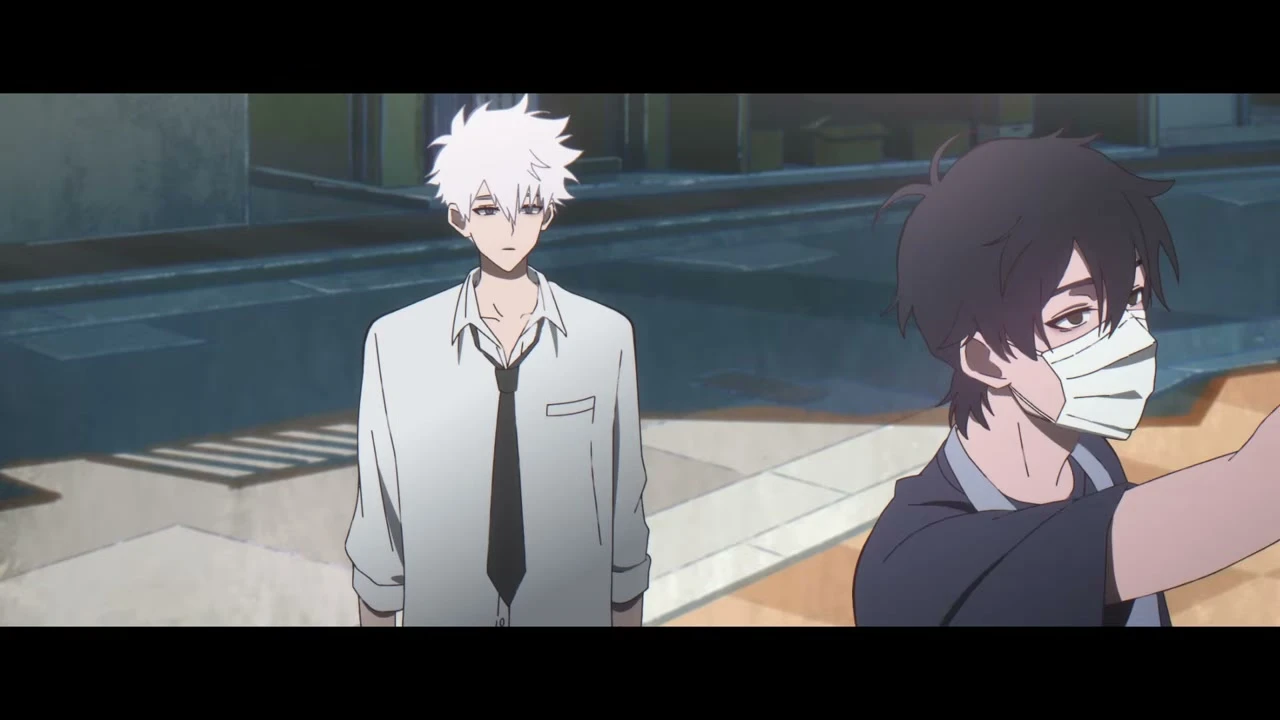
Link Click is worth watching if you want a mystery built around people, not just a clever time-travel trick. Its first season turns photographs into access to other lives, then asks what happens when understanding someone makes it harder to follow the rules. The early cases turn a family call, a restaurant recipe and a school basketball game into reasons to care about the people in those photographs. Repeated flashbacks can slow the telling, and the finale leaves the larger mystery open.
This review covers the first animated season, with setup details but no major case outcomes or finale revelations. It is a Chinese donghua, also known as Shiguang Dailiren, rather than the live-action adaptation.
Who should watch Link Click?
Scroll across to compare all columns →
| If you want… | What to expect |
|---|---|
| A mystery with emotional consequences | A strong match. Solving a client’s problem can expose a much more difficult personal conflict. |
| Time travel with understandable starting rules | The opening is accessible, though the system develops complications as the story continues. |
| Romance between the main leads | Season 1 does not establish Cheng Xiaoshi and Lu Guang as a romantic couple. |
| A complete story in one short season | A poor match. The final episode creates a clear need to continue. |
| A light show to unwind with | Expect warm banter, but also distressing cases involving loss and violence. |
Watch our Link Click review
How the photograph missions work
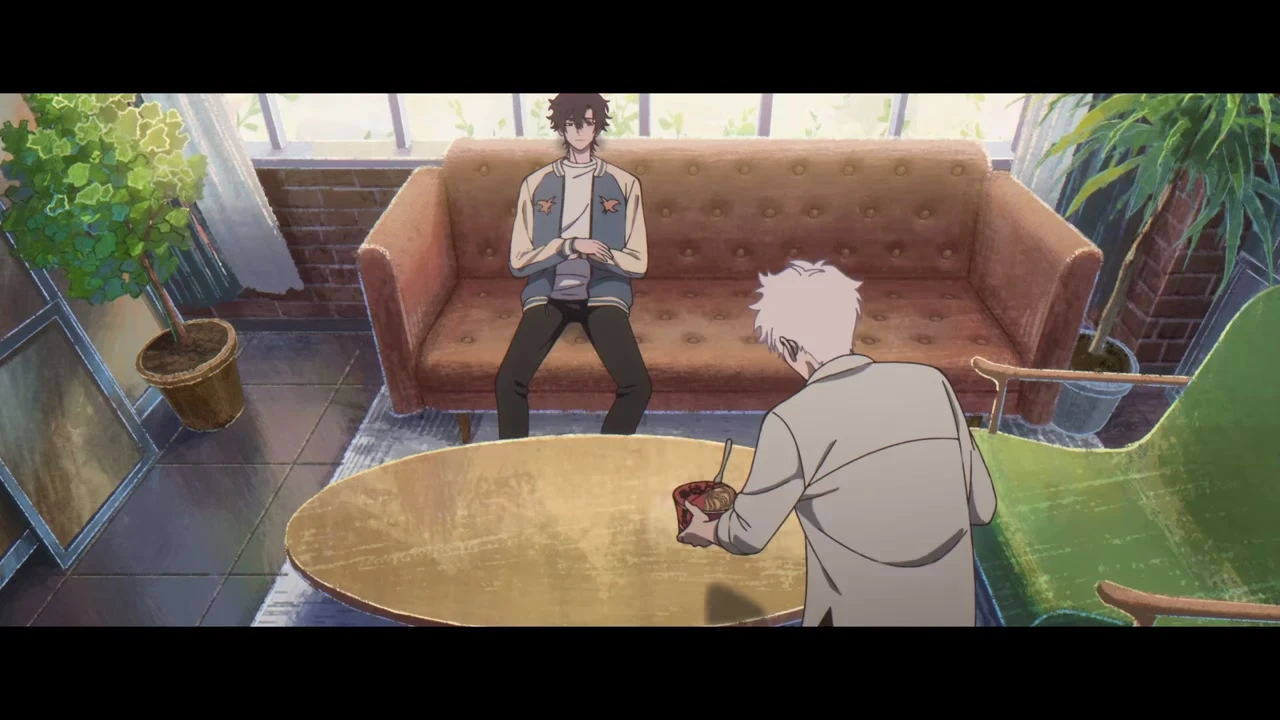
Cheng Xiaoshi and Lu Guang operate from a photo studio, with Qiao Ling bringing in clients and managing the business around them. Cheng enters the past through a photograph; Lu supplies the guidance that helps him navigate what comes next. Their work has a twelve-hour limit and a crucial restriction: avoid changing events.
The clients give the pair specific jobs: retrieve information, revisit a missed conversation or settle an old regret. Following that assignment is enough to understand the opening, even if you rarely watch time-travel stories.
The complication is Cheng himself. Entering another person’s life means dealing with their relationships and circumstances, rather than watching an impersonal recording. A small kindness can seem harmless from inside the moment. From Lu’s position, it can threaten everything the pair were supposed to preserve. That difference between feeling an experience and supervising it drives much of the tension.
The early cases give the mystery its weight
Emma’s workday makes the premise personal
The opening commission follows Emma, a young office worker caught between pressure at work and the image of success she presents to her parents. The assignment could have remained a straightforward information hunt. Instead, the episode pays attention to exhaustion, an uncomfortable workplace and the difficulty of answering a family call honestly.
A memory involving food helps establish what home means to her. It is a small detail, but it explains why Cheng becomes involved more effectively than a lengthy account of her childhood would. Once you understand the comfort she is missing, obeying the instruction to leave everything alone becomes harder to accept.
The episode also establishes the show’s emotional intensity. It asks the audience to sit with mistreatment and loneliness before delivering its suspense. If those subjects are too close to home, the warmth of the studio scenes does not make the experience gentle.
A noodle recipe becomes a disagreement about a shared future
The next case changes the mood without abandoning the idea of regret. A dispute over a recipe exposes different expectations for a business: expanding a successful brand is not necessarily the same as preserving what made a small restaurant matter to its founders.
Recovering the information cannot, by itself, repair the partnership. The case has to explain why the same restaurant represents different futures to the people who built it. That gives the disagreement more substance than a misunderstanding that one convenient conversation could clear up.
The basketball story changes what counts as success
A school basketball game initially supplies a familiar goal: play well and change a disappointing result. The surrounding conversations gradually make the request more complicated. The people, promises and messages attached to that day matter beyond the score.
The physical action gives this stretch energy, but the emotional payoff depends on the time spent with those relationships. It is also where the series makes the difference between revisiting the past and repairing it particularly difficult to ignore. Knowing the full turn in advance would weaken the experience, so avoid episode summaries before watching.

Cheng, Lu and Qiao Ling make the studio worth returning to
Cheng can be frustrating because his compassion often arrives before his judgment. The show gives that impulsiveness a recognizable basis: he reacts strongly to abandonment, missed chances and people who cannot make themselves heard. His mistakes still have consequences. Sympathy does not make every decision sensible.
Lu is an effective counterpart because restraint can be unsettling too. His understanding of the situation is useful, but his limited explanations sometimes make him difficult to trust. The partnership works through that imbalance. One person feels the immediate urgency; the other insists that the immediate moment is not the whole picture.
Qiao Ling provides more than introductions to new customers. Her history with Cheng, her own relationships and her willingness to challenge both men give the studio continuity between commissions. The arguments about work, rent and daily routines make it feel like a place people actually inhabit. That makes threats to their ordinary life more consequential.
Animation and music: atmosphere matters more than spectacle
The first season uses recognizable locations well. A bright, cluttered studio feels inviting; an office after dark feels isolating. The restaurant and worn basketball court give their stories a physical setting that supports the characters’ attachment to them. The visual appeal comes as much from atmosphere and framing as from elaborate movement.
The basketball sequence offers livelier action, but this is mainly a dialogue-led thriller. Expect held expressions, conversations and repeated images as well as more animated passages. Viewers looking for a continuous action showcase will get a different experience here.
Music helps move the show from everyday conversation into suspense or grief. Episode endings are particularly forceful about sending you into the next installment. Occasionally the emotional scoring and repeated memories underline a point that has already landed. When a reaction has already explained the hurt, another flashback and swell of music can feel unnecessary.
Pacing and the ending are the main qualifications
The season begins with individual commissions and gradually develops a more connected crime story. The shift makes earlier details matter again, though it also reduces the clean stopping points offered by a case-by-case format. Watch in order and give the later episodes your attention rather than using them as background viewing.
Revisiting scenes from another perspective is often useful. Replaying a moment before explaining the new information can also slow things down. Likewise, the developing power system creates surprises, but viewers who want every rule stated before a mystery begins may find the withheld information frustrating.
Season 1 does not provide a complete ending for Link Click. Immediate problems receive answers, but the finale deliberately opens a larger crisis. If you dislike cliffhangers, make sure you can access Season 2 before starting.
Does Link Click have romance, and is it BL?
Romantic feelings matter in some client stories, including a missed confession. They are part of the human situations the pair investigate. The main plot, however, is a supernatural thriller rather than a courtship story.
Cheng and Lu’s bond carries considerable emotional weight, but the first animated season does not confirm them as a romantic couple. Enjoying or interpreting their chemistry is different from recommending the show as an explicit BL romance. Link Click is an original animation, not an adaptation of a danmei novel. Our guide to danmei explains that distinction.
Where to watch and which episode to start with
Start with the 2021 animated first season. It contains eleven main episodes and a special commonly labeled episode 5.5. Watch the special after episode 5 when it appears separately. Some services count it within a twelve-episode season, so compare titles before assuming an episode is missing.
For a first viewing, continue with Season 2, then the Bridon Arc. Bridon revisits earlier events, but release order preserves the way the series introduces information. Short extras and the live-action series are not substitutes for the main animated seasons.
- Link Click on Crunchyroll: check the season menu and available audio tracks in your country.
- Link Click Season 1 on Bilibili: use the episode list to distinguish main episodes from the special.
- Ani-Mi Asia’s official English-subtitled Season 1 playlist: a YouTube starting option where the licensed uploads are available.
Catalogue access, subscriptions and language options vary by region. The first season takes roughly four hours and forty-five minutes including its special. Expect violence, child abduction, abuse, death and suicidal distress. Try the opening episode when you can concentrate: its combination of a practical assignment and a personal dilemma is a better guide to the show than a montage of its biggest twists.