Perfect World is worth starting if you want a cultivation adventure with a strong sense of home behind the power fantasy. Shi Hao’s early battles matter because the people raising him have something to lose. The first ten episodes give that connection more weight than the opening spectacle suggests, although repeated emergencies, sudden breakthroughs and bluntly cruel villains keep the storytelling from being as convincing as its best character moments.
This review covers episodes 1 to 10 of the donghua. It discusses early situations without revealing the central family betrayal or the outcomes of major fights. It does not assess the later arcs or the novel’s ending.
Perfect World at a glance
Scroll across to compare all columns →
| Title | Perfect World, also called Wanmei Shijie |
|---|---|
| Format | Chinese 3D animated cultivation fantasy |
| Lead character | Shi Hao |
| Source | Chen Dong’s novel of the same name |
| Review coverage | Episodes 1 to 10 |
| Best fit | Viewers who enjoy gifted young heroes, found family and training tied to survival |
| Main reservation | A repeating cycle of danger, rescue and increased power |
This is the animated series, not the Perfect World online game. Although searches often call it an anime, donghua means Chinese animation.
Shi Hao is more interesting when strength cannot give him what he wants
At first, Shi Hao can look like a familiar prodigy: tiny, unusually strong and rewarded for enduring training that overwhelms the other children. His appetite for beast milk supplies a recurring joke. The more affecting detail is what happens when the hunters return. Other children have parents to run to; he has questions for the village chief.
That longing carries into his choices. After a devastating disruption to village life, he worries about how his parents will find him. Leaving a map matters to him alongside everything he has learned about fighting. It is a small, practical response to a child’s fear of being forgotten, and it gives the grand fantasy a feeling that does not depend on understanding cultivation ranks.
He also notices pain beyond his own side. After an early lethal confrontation, he thinks about the enemy’s parents rather than treating the death as another achievement. The scene is brief, but it shows compassion that his cheerful fighting persona could easily obscure.
The comedy is less consistent. Milk jokes and childish bargaining establish his age quickly; repeating them after violent scenes can feel like a reset before the previous emotion has settled. If the mischievous-child routine irritates you, the opening ten episodes do not abandon it.
The family story gives the early adventure a reason to continue
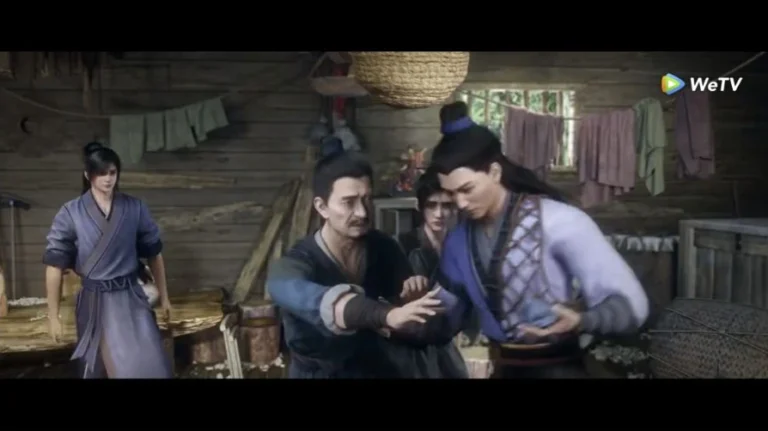
Stone Village works because protection goes both ways. Adults risk dangerous hunts for the ingredients Shi Hao needs, while he wants enough strength to stop them taking every risk on his behalf. The Green Scale Hawk encounters develop a similar idea: a creature introduced as a threat becomes part of a relationship involving harm, responsibility and help. The world is more engaging when an encounter changes those relationships instead of simply supplying another resource.
Episode 7 is the important turn for viewers waiting for the family mystery. It gives the violent opening a context and explains why Shi Hao’s absence from his parents is more than a convenient orphan-hero setup. The contrast with the village becomes sharper: one community cares for a vulnerable child, while powerful relatives weigh people against the advantage they might bring the clan.
The weakness is the lack of subtlety in several antagonists. Their cruelty makes the immediate conflict easy to follow, but it leaves little room to wonder what they might do or whether their position has any emotional complexity. The institutions around Shi Hao are more interesting than many of the villains speaking for them.
Does the cultivation feel earned?
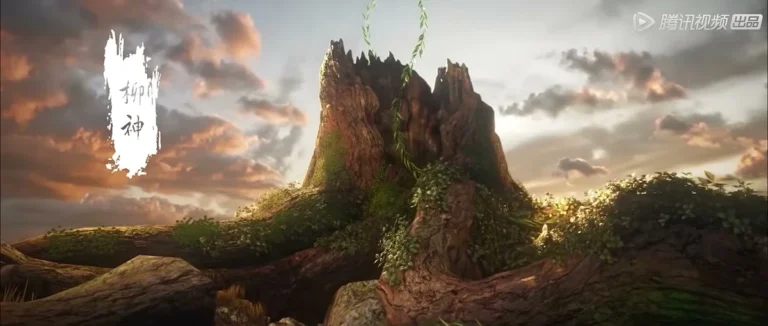
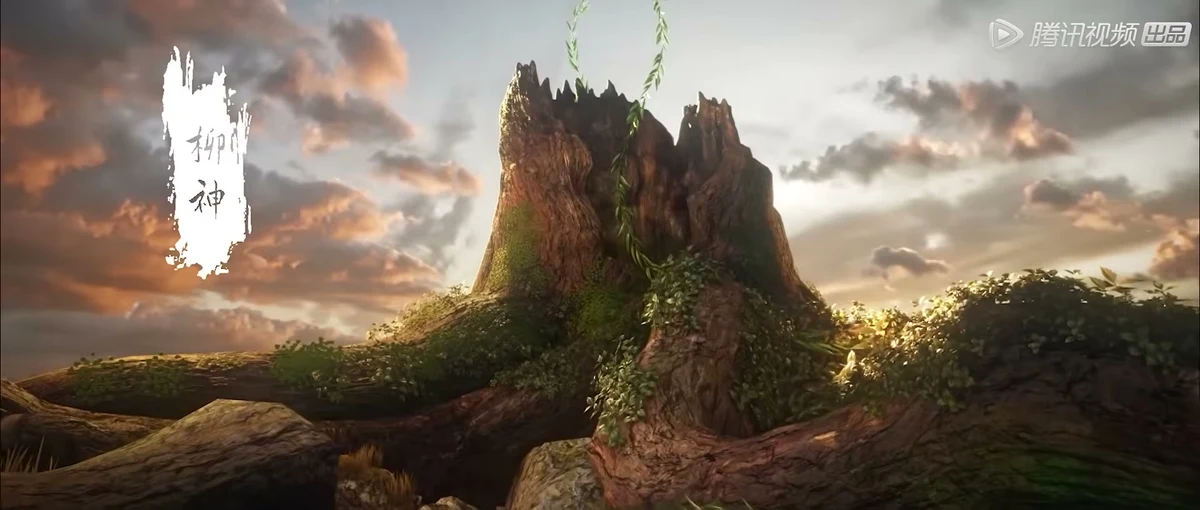
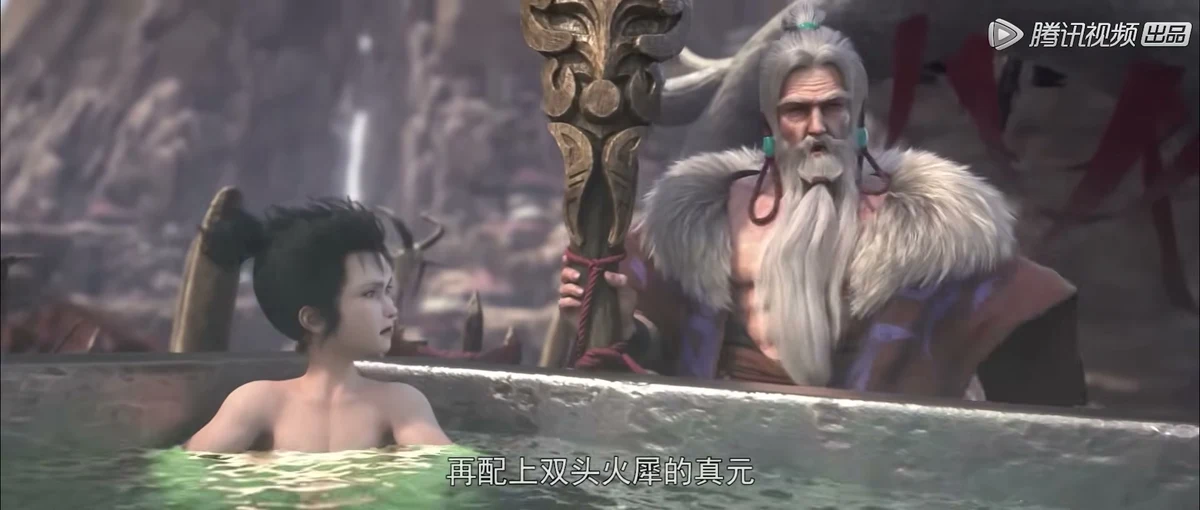
The training has tangible costs, but Shi Hao is a gifted prodigy rather than an ordinary underdog. Medicinal baths, patterns learned from creatures and a difficult cauldron-lifting challenge show different parts of his development. His progress combines practice, rare resources, unusual aptitude and guidance from Willow God, the village’s guardian.
The cauldron challenge is particularly useful because it gives training a purpose beyond winning the next fight: Shi Hao wants answers about himself. Earlier, he can reproduce a technique before he can explain it clearly to his friends. That distinction makes his talent visible, but it also warns against expecting a methodical, evenly balanced account of everyone learning the same system.
For newcomers, the essential idea is straightforward. Strengthening the body lets him withstand more; runic patterns and techniques change what he can do with that strength; resources and teachers influence how quickly he advances. You do not need a chart of future realms to understand these episodes.
The battles are more persuasive when those abilities have limits. Terrain offers shelter from a flying predator, and a demanding technique cannot always be repeated immediately.
The CGI makes the difference in scale convincing
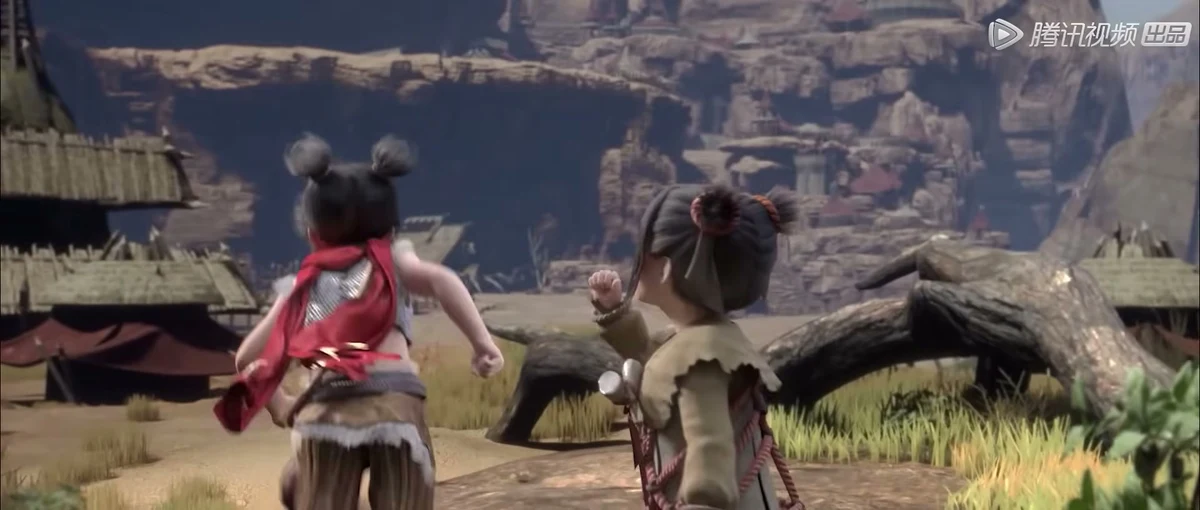
The village’s rock walls, scattered dwellings and great willow make a recognizable home to return to. Against that setting, the beasts are not just ornate character designs. Their wings, jaws and bodies occupy spaces that the humans can barely cross. The clash around the mountain treasure pushes this contrast furthest: the villagers are trying to survive events far above their own strength.
Bright green, blue and gold effects separate different powers clearly in several encounters. At the largest scale, however, glowing attacks and towering creatures can take over the image. The simpler chases and confrontations often give a better sense of the immediate problem than another enormous exchange in the sky.
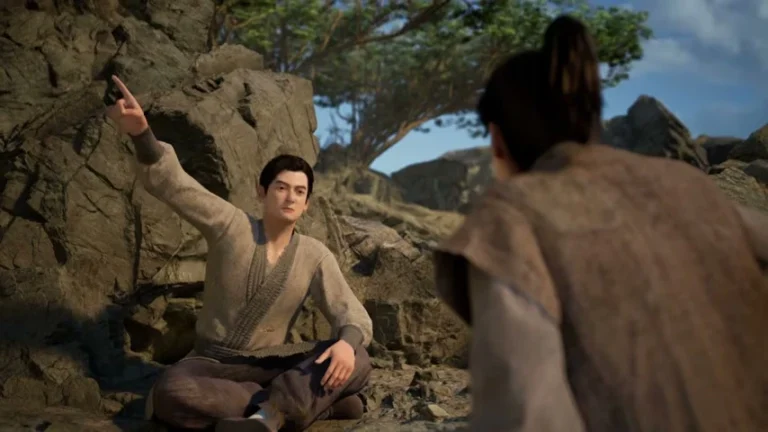
Close conversations have a more polished, doll-like look than the rough village backgrounds. The visual contrast is noticeable in Shi Hao’s face and the clean surfaces of the younger characters. If that early CGI style bothers you, sample a dialogue scene as well as a fight before committing; spectacular clips alone are a poor guide to the show’s everyday appearance.
How far should you watch before deciding?
Episode 3 is a useful first checkpoint. By then, the village relationships, creature encounters and training have begun to connect. If the main unanswered question is Shi Hao’s family, continue through episode 8: the backstory in episode 7 and his response afterward provide a clearer test of the story’s emotional appeal.
By episode 10, the recurring structure is also apparent. A threat endangers someone, Shi Hao needs greater strength, and the next opponent raises the stakes again. Willow God’s interventions can make early danger feel reversible. When that protection is unavailable, the pressure on Shi Hao becomes more interesting, but the quick succession of crises still gives quieter consequences little time.
This makes the opening easy to keep watching if you enjoy steady forward movement. It is a less comfortable fit for viewers who want extended political maneuvering, gradual changes in relationships or victories that follow a long period of failure.
Romance and content warnings
Romance is not the main attraction in these ten episodes. Shi Hao’s encounters with the princess mix competitive teasing, pride and moments of care. They add a different kind of company to his journey, but do not yet offer the sustained relationship development of a romance-led series. This early section is not enough to judge later partners or harem outcomes.
A child protagonist does not make this a gentle children’s adventure. Expect deaths, blood, threatening creatures and particularly disturbing violence against a child in the family backstory. Comic scenes can sit close to that material.
Where to watch Perfect World and how to start
Start with episodes 1 to 10 with English subtitles on Tencent’s official animation channel, the compilation covered here. You can also use the Perfect World series page on WeTV. Check local playback and subtitle options; availability can differ by region and episode.
Follow the regular episode numbers from 1 onward. A compilation containing several episodes is not a separate season. If you change platforms, compare the episode number and opening scene so you do not skip or repeat material.
Perfect World is a long-running release rather than a short, completed story. Use WeTV’s playable episode list for current availability instead of treating a planned total or an “all episodes” label as confirmation of an ending. For shorter alternatives, see our donghua recommendations.